
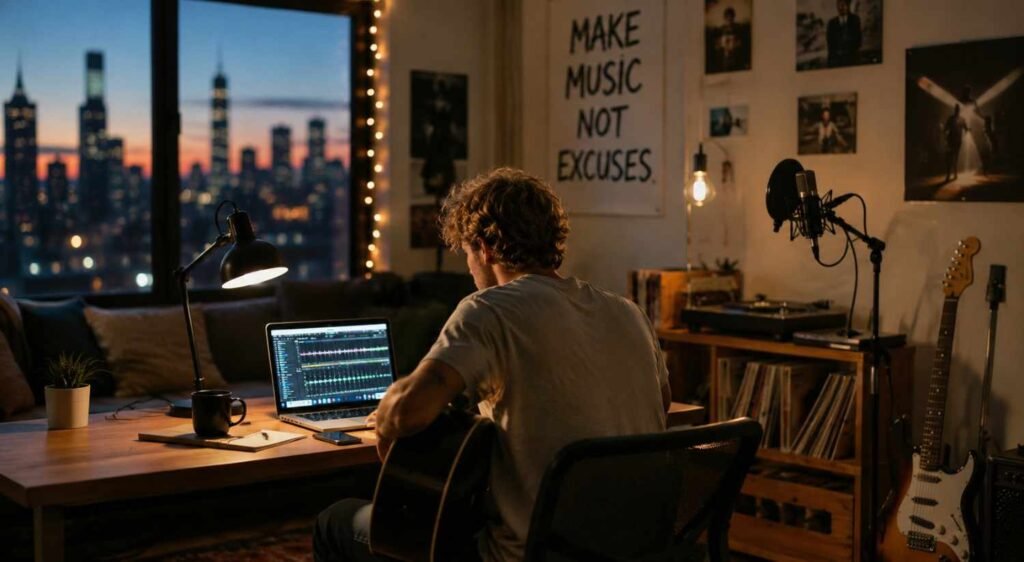






Not long ago, the music industry followed a familiar script. An artist would play local shows, hope to get noticed by a record label, and wait for the right opportunity to change everything. That path still exists, but it no longer defines success. Today, many emerging music artists are building meaningful careers long before a label ever enters the picture.
The biggest shift isn’t just about technology—it’s about control. Artists now have more ways to reach listeners, earn income, and shape their own careers. They aren’t waiting for permission to release music or connect with fans. Instead, they’re creating communities, using data to make smarter decisions, and treating their music like both an art form and a business.
Success Looks Different Than It Used To
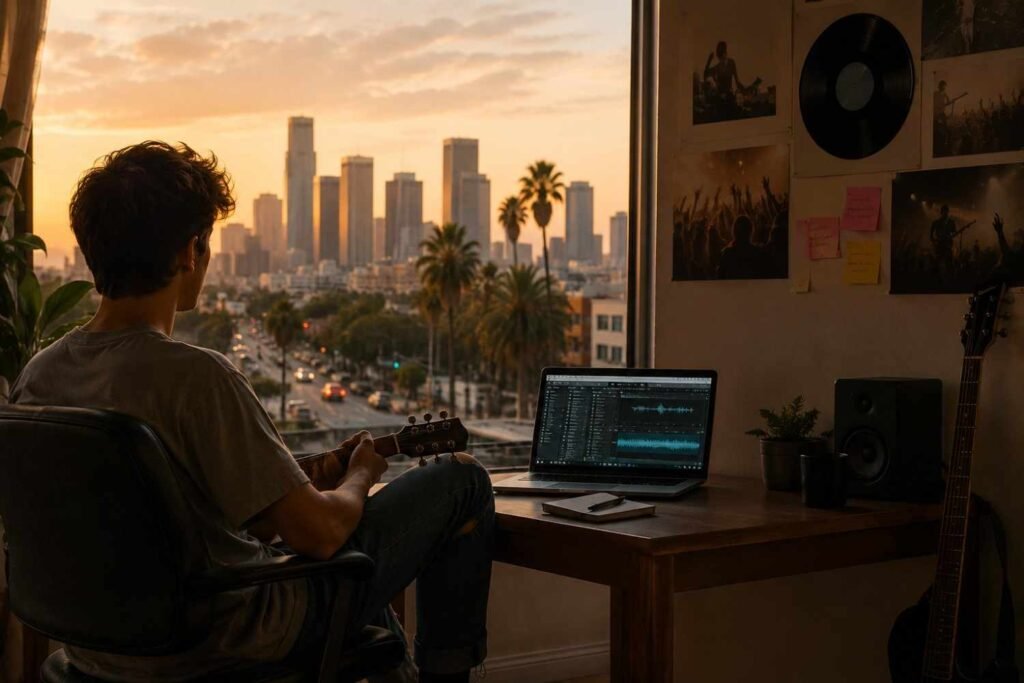
For years, success in the music industry meant signing with a major label and landing radio airplay. Now, it’s just as common to see independent music artists reach millions of listeners while keeping ownership of their work.
Today’s music career growth often comes from steady progress instead of overnight fame. A loyal audience that streams every release, buys merchandise, and attends live shows can be far more valuable than a single viral hit.
This shift has also changed how artists think about long-term goals. Instead of chasing one breakthrough moment, many focus on building a sustainable independent music career that gives them creative freedom and financial stability.
Social Media Has Become a Discovery Engine
Social media isn’t simply a promotional tool anymore. It’s where many listeners discover new songs before they ever open a music streaming platform.
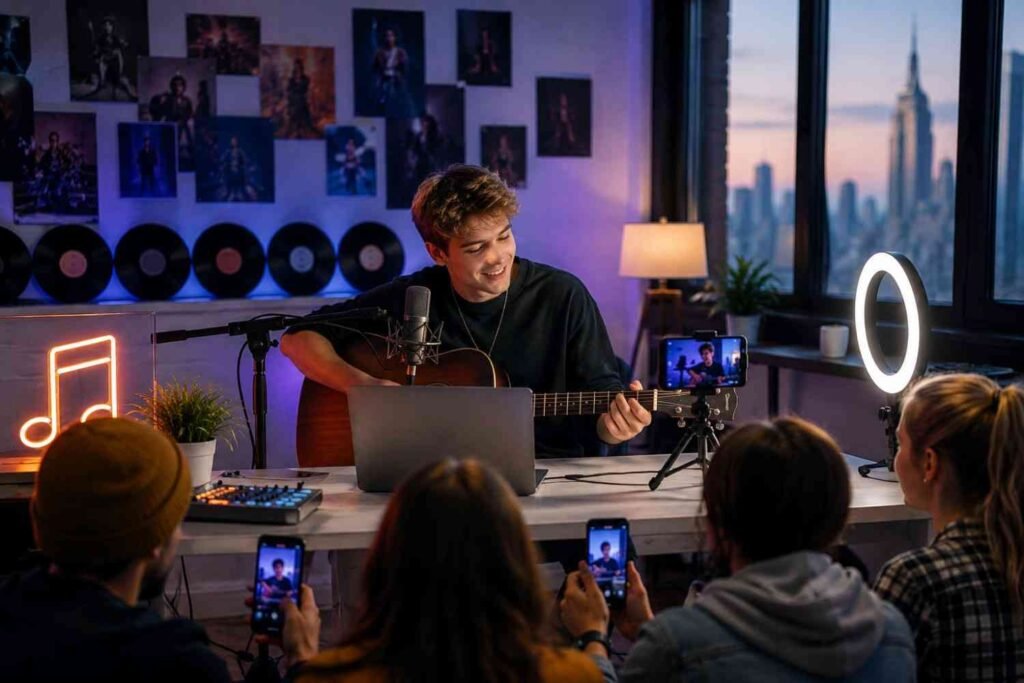
Short-form video has transformed digital music marketing. Artists create memorable hooks, behind-the-scenes clips, rehearsal videos, and songwriting moments that help audiences connect with the person behind the music. Those authentic moments often travel farther than polished promotional campaigns.
When a song gains traction through short videos, it can create momentum across streaming services. Increased engagement frequently leads to playlist placements, stronger audience engagement, and continued music discovery, helping artists reach listeners who may never have found them otherwise.
Consistency also matters. Rather than disappearing between album releases, many artists stay visible by sharing their creative process, studio sessions, and everyday experiences. That familiarity helps turn casual listeners into dedicated fans.
Fans Matter More Than Followers

Growing an audience isn’t only about increasing numbers. It’s about building genuine relationships.
Many independent musicians are moving beyond traditional social platforms by creating private communities where conversations feel more personal. Spaces on Discord, WhatsApp, and similar platforms allow artists to interact directly with supporters instead of depending entirely on social media algorithms.
Subscription platforms have also become an important part of artist branding. Fans who want a closer connection can support creators through monthly memberships in exchange for exclusive demos, early ticket access, livestreams, or behind-the-scenes content.
Crowdfunding has expanded these opportunities even further. Instead of relying on outside investors, artists can fund music videos, vinyl releases, or tours with support from the people who already believe in their work. That approach reduces financial risk while strengthening trust between artists and their communities.
Diversifying Income Is No Longer Optional
Streaming has made music easier to access, but streaming royalties alone rarely provide enough income for developing artists. As a result, musicians are building multiple revenue streams from the beginning of their careers.
Some of the most common opportunities include:
- Sync licensing for films, television, advertising, podcasts, video games, and online creators.
- Merchandise, exclusive memberships, digital products, sample packs, live performances, and virtual events.
Music licensing has become especially valuable. Independent artists can upload their catalogs to specialized marketplaces where content creators, filmmakers, and game developers search for original music. These placements not only generate income but also introduce artists to entirely new audiences.
The creator economy has also opened unexpected opportunities through digital merchandise, gaming collaborations, and virtual experiences that simply didn’t exist a decade ago.
Artist Services Are Replacing Traditional Label Models
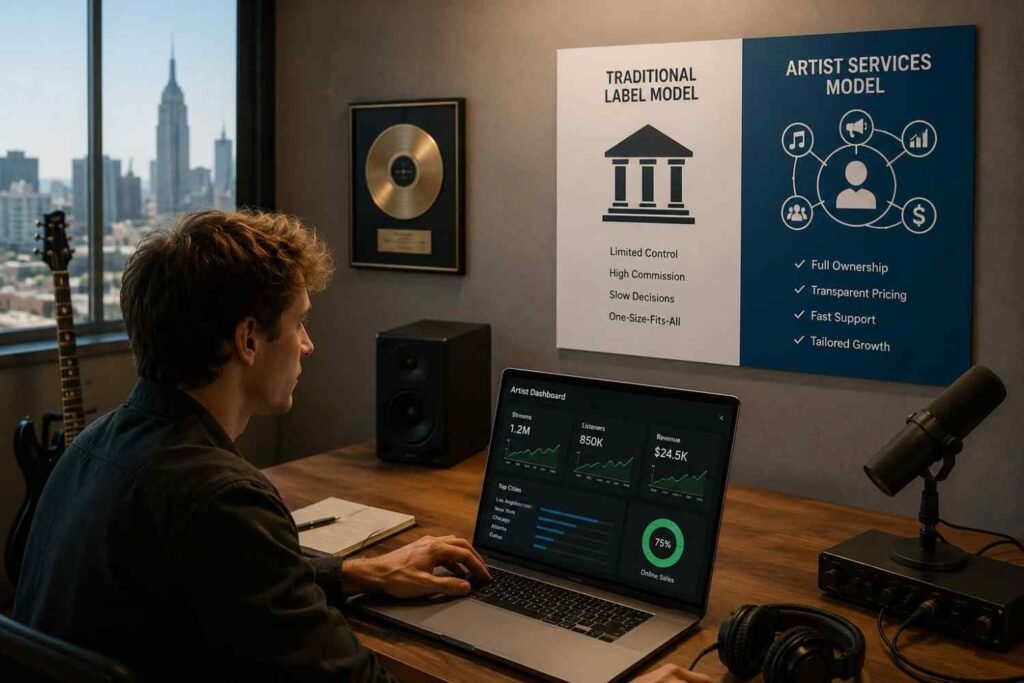
Independence doesn’t mean working completely alone.
Modern distribution companies offer much more than delivering songs to streaming platforms. Many now provide playlist pitching, marketing support, analytics, royalty collection, and brand partnership opportunities while allowing artists to maintain ownership of their master recordings.
This flexible approach appeals to emerging music artists who want professional support without giving up long-term creative control.
Instead of signing broad recording contracts early in their careers, musicians can choose services that fit their immediate goals while adapting as their audience grows.
Frequently Asked Questions: The New Ways Emerging Music Artists Are Growing Their Careers
1. How are emerging music artists getting discovered today?
Many artists gain visibility through short-form video content, playlist placements, social media engagement, collaborations, and consistent music releases rather than relying solely on record labels.
2. Can independent artists build a successful music career without signing a label deal?
Yes. Many independent artists use digital distribution, streaming platforms, live performances, merchandise, licensing opportunities, and direct fan support to build sustainable careers while maintaining ownership of their music.
3. Why is fan engagement so important for new musicians?
A dedicated community is more likely to stream new releases, attend concerts, purchase merchandise, and support crowdfunding campaigns, creating a stronger foundation than temporary viral attention.
4. What skills do emerging music artists need besides making music?
Successful artists often develop skills in content creation, audience engagement, branding, digital communication, music marketing, and interpreting analytics to make informed career decisions.