







A strong soundtrack album review should answer one practical question: does the music still work when the screen goes dark? I judge each release twice—first beside the film, then as an album with its own pace, mood, and identity.
That two-pass test separates a memorable musical experience from a playlist that survives mainly through familiar scenes.
| Review area | What I listen for | Why it matters |
| Film connection | Theme, character, tension, and emotional timing | Shows how the music supports the story |
| Standalone value | Flow, replay appeal, and musical development | Tests whether the album works without images |
| Sequencing | Track order, transitions, and pacing | Keeps highlights from feeling disconnected |
| Performance and sound | Vocals, orchestra, mixing, and mastering | Shapes clarity, power, and atmosphere |
| Originality | Distinct themes, textures, or song choices | Gives the release a recognizable identity |
What a Soundtrack Album Must Achieve
The music should serve the film without disappearing
Film music can signal danger, deepen romance, reveal memory, or make a decision feel inevitable. Yet louder rarely means better. The strongest cue may guide attention without competing with dialogue or sound effects.
For every soundtrack album review, I ask what the music contributes that the script and images cannot deliver alone. A recurring melody may link scenes separated by years. A change in instrumentation may show emotional growth. A familiar song can place a scene within a specific era or culture.
The music should strengthen the story without becoming emotional wallpaper. I want to hear intention behind each major theme, song placement, and tonal shift.
The album must create its own listening journey
A soundtrack can work brilliantly in a theater and still feel repetitive at home. Film cues repeat themes because the story needs continuity. On an album, those repetitions need variation, contrast, and development.
My second test ignores the movie. I listen for a clear opening, an engaging middle, and a satisfying finish. Abrupt fragments and long stretches of similar tension lower the score.
Strong sequencing turns functional cues into a coherent musical narrative. The album should feel deliberately assembled rather than exported from the film’s editing timeline.
Song Compilation Soundtracks vs Original Film Scores
Pop and rock soundtracks succeed through curation
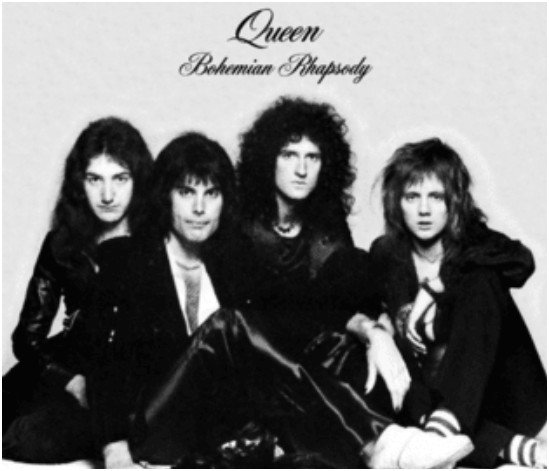
Image source: Wikipedia
Song-based soundtracks need more than famous tracks. The selections should form a dramatic arc and reflect the film’s personality.
The Bodyguard remains a defining model. Whitney Houston performed six songs on the album, including “I Will Always Love You.” The soundtrack won Album of the Year at the 1994 Grammy Awards. The RIAA also lists it among the most highly certified soundtrack releases. Its power comes from vocal authority, emotional consistency, and songs that thrive outside the film.
Bohemian Rhapsody follows another path. Its 22-track program combines Queen hits, rare live recordings, and the first official audio release of material from the band’s Live Aid performance. Producers Brian May and Roger Taylor shaped it around the film’s career-spanning story instead of creating a routine greatest-hits package.
Michael: Songs From the Motion Picture offers a more recent example. Sony Music’s 2026 companion album moves from the Jackson 5 period into Michael Jackson’s solo catalog. Its track list includes “Billie Jean,” “Human Nature,” “Thriller,” and “Beat It.”
A soundtrack album review should therefore judge whether the selection tells a persuasive story, not merely whether each song is famous.
Collectors comparing remastered or expanded releases can also explore tracks from the Anniversary edition album for another perspective on sequencing, bonus material, and archival value.
Instrumental film scores succeed through development
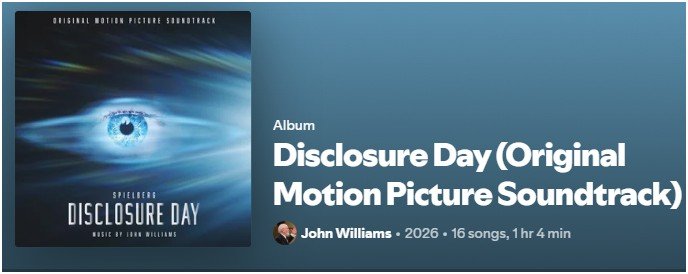
Image source: Spotify
An original score requires a different critical vocabulary. I focus on melody, orchestration, motif development, recording quality, and the balance between quiet cues and major set pieces.
John Williams’ Disclosure Day is a useful recent example. The 2026 score marked his 30th film collaboration with Steven Spielberg. “Empathy” grows from gentle piano writing into an emotional string statement, while other themes use horn, harp, choir, and woodwinds to express memory, belief, suspense, and wonder.
Daniel Pemberton’s Project Hail Mary takes a more eclectic route. Its 38-track score runs for almost two hours and moves through orchestral, choral, electronic, and unusual instrumental colors. That range gives the music a distinct science-fiction identity rather than a predictable blockbuster sound.
Pemberton’s Masters of the Universe score favors bold fantasy energy and an intentionally retro scale. The 35-track release combines large orchestral gestures with rock-influenced elements suited to the property’s 1980s roots.
John Powell’s Agent Cody Banks score shows the value of personality. Exaggerated espionage writing, choral comedy, and restless orchestral movement give the album life, even when it deliberately approaches parody.
These examples prove that a soundtrack album review should consider tonal control without punishing creative risk.
My 100-Point Soundtrack Album Review Method
I use a weighted framework because one memorable theme should not hide weak pacing. This original soundtrack album review method also makes comparisons fair across orchestral scores, pop compilations, and hybrid releases.
| Category | Available points |
| Story and emotional function | 25 |
| Standalone listening value | 25 |
| Sequencing and pacing | 20 |
| Performance, mixing, and mastering | 20 |
| Originality and lasting identity | 10 |
| Total | 100 |
A release scoring 85 or higher earns a strong recommendation. A score from 70 to 84 suggests clear strengths with noticeable limitations. Below 70, the album may serve the film better than the listener.
I first play the album in order without skipping. I note where my attention drops and where transitions feel awkward.
On the second pass, I identify recurring themes, production choices, instrumentation, and structural changes. On the third, I play selected tracks outside the film’s context.
This process stops nostalgia, visual memories, or one famous song from controlling the entire soundtrack album review.
It also exposes albums with strong opening tracks but weak middle sections. A recognizable theme deserves credit, but it cannot compensate for an exhausting or poorly arranged listening experience.
What Separates a Great Soundtrack From a Famous One?
Fame can come from a hit single, a blockbuster movie, or a beloved franchise. Greatness requires internal logic.
Each track should develop the musical world or provide necessary contrast. The album should also reward repeat listening. Details should become clearer, not thinner.
Most importantly, the music should communicate emotion to someone who has never seen the film.
That distinction explains why The Bodyguard works as a major vocal album, while Disclosure Day works through thematic orchestral storytelling. Their methods differ, but both pursue emotional continuity.
A fair soundtrack album review must respect those different goals. Comparing every score with a pop compilation would be as misleading as judging a quiet character theme by the standards of a stadium anthem.
Where I Check Credits and Critical Context
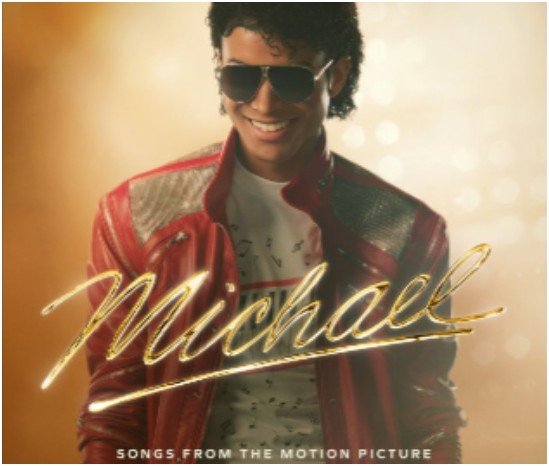
Image source: Wikipedia
I verify release information through official labels, artist websites, liner notes, and established music databases. Sony Music provides primary release details for Michael: Songs From the Motion Picture. Official label listings and streaming platforms help confirm dates, credits, track counts, and running times.
For detailed score criticism, Filmtracks examines themes, album presentation, and music as heard within the film. Soundtrack World covers soundtrack releases, composers, interviews, and film-music events.
Metacritic can provide broader critical consensus, while publications such as Pitchfork offer additional context for commercially released albums and song-driven collections.
I treat aggregate ratings as background, not a verdict. A credible soundtrack album review should explain the musical evidence behind its score.
Frequently Asked Questions
1. What should a soundtrack album review include?
It should assess film function, standalone value, sequencing, performance, production quality, originality, and replay appeal.
2. How do you review an original motion picture score?
Track recurring themes, instrumentation, emotional development, cue variety, album pacing, and performance without the visuals.
3. Is a soundtrack album different from a film score?
Yes. A soundtrack may include licensed songs, while a film score usually contains original music composed for the movie.
Can a soundtrack be good if the movie is bad?
Yes. Strong themes, performances, production, and sequencing can create an excellent album independently of the film.
Final Take: The Movie Does Not Get to Do All the Work
My final rule is simple: close your eyes and remove the scene. If the emotion, shape, and identity remain, the album has earned a life beyond the screen.
A reliable soundtrack album review rewards music that supports cinema without becoming trapped inside it. Play the complete album, resist skipping directly to the famous track, and judge the journey before judging the highlights.
The screen may introduce the music, but the album must earn the replay.