











A huge box set can look irresistible before you hear one note. Yet extra discs, glossy books, and replica passes do not automatically create value. In this Super deluxe edition album review, I judge what matters: sound, archival depth, physical quality, usefulness, and price.
My rule is simple. A premium edition should reveal the album, not merely enlarge its packaging. That standard separates meaningful restoration from expensive shelf decoration.
What a Super Deluxe Edition Should Deliver
A useful Super deluxe edition album review must go beyond counting discs. Collectors need to know whether the new material changes their understanding of the record.
Better Sound, Not Just Louder Sound
I compare the original mix, remaster, stereo remix, surround mix, and Dolby Atmos version when available. A remaster should improve clarity without crushing dynamics. A remix should reveal detail while respecting the album’s character.
Immersive audio works when it supports the arrangement. It fails when movement becomes a gimmick. The best mixes create space and separation without turning music into a technical demonstration.
The same principle applies to an Acoustic album. Natural room tone, vocal texture, and instrument decay matter more than exaggerated brightness.
Archives That Tell a Story
Early takes, demos, rejected mixes, rehearsals, and full concerts should document creative decisions. Random fragments add volume but little insight.
A strong archive follows the album from the writing room to the studio and stage. Recording dates and session notes make those tracks useful rather than merely rare.
Packaging That Protects the Music
A premium box should protect every disc and remain easy to use. Books should include credible notes, credits, photographs, recording dates, and tape-box images. Decorative pages alone do not justify a premium price.
My Five-Part Collector Value Test
For each Super deluxe edition album review, I use a 100-point framework. Audio improvement earns 30 points. Archives earn 25. Format usefulness earns 15. Packaging and documentation earn 15. Price and replay value earn the final 15.
I first assign a “paper score” using confirmed specifications. This Super deluxe edition album review score cannot prove sound quality, so a listening verdict may move ten points either way. That prevents an impressive disc count from winning automatically.
For example, a set might earn 28 points for audio, 22 for archives, 12 for formats, 14 for presentation, and 9 for value. The total is 85. The collection looks excellent, but its price still narrows the audience.
This method also exposes padded releases. Five meaningful discs can deliver more value than 15 discs filled with repeated mixes and disposable extras.
Three Recent Box Sets Put to the Test
YES: Tales From Topographic Oceans
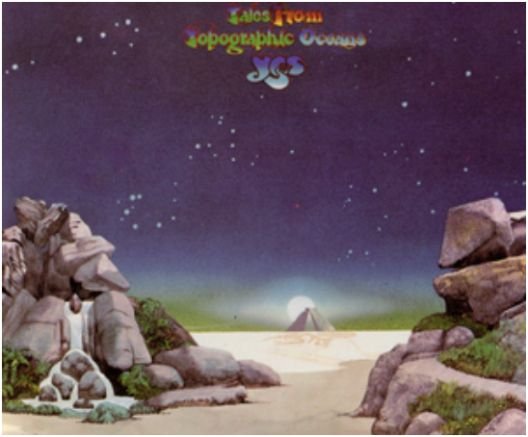
YES takes the maximalist route. The edition contains 12 CDs, two LPs, and a Blu-ray. It includes a remaster, rarities, unreleased studio material, and new Steven Wilson mixes in stereo, 5.1, and Dolby Atmos. The live discs draw from Manchester, Cardiff, and Zürich performances.
For my Super deluxe edition album review method, this set scores highly for archival depth. In-progress versions of all four compositions reveal how the band shaped an ambitious and divisive work.
The concert material also strengthens the historical record. Fans can hear the sprawling compositions develop onstage soon after their creation.
However, 15 discs demand time, storage space, and serious devotion. Casual listeners may prefer a smaller edition. Dedicated YES fans receive a genuine archival excavation.
Specification-based score: 91/100.
The Who: Who Are You
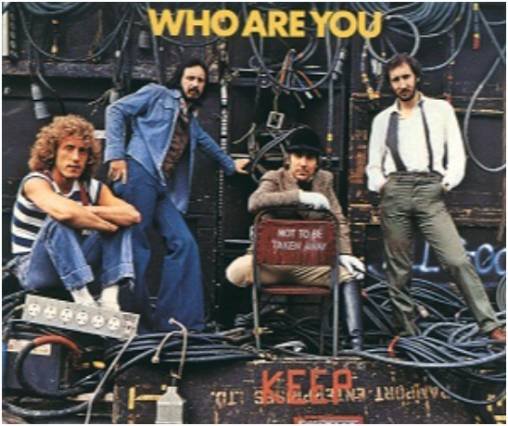
The Who’s collection offers seven CDs, one Blu-ray, 71 unreleased tracks, and a 100-page book. It includes a rejected Glyn Johns mix, a new remaster, rehearsals, demos, 1979 US live recordings, and Steven Wilson Atmos and stereo mixes.
This is an ideal Super deluxe edition album review subject because its alternate versions carry historical meaning. The rejected mix exposes major production decisions instead of offering another minor mastering adjustment.
The rehearsal recordings capture the band working through material during 1977 and 1978. The live performances then document The Who’s first touring period without Keith Moon.
Its session information and remix notes should support close listening. That makes the book part of the experience rather than decorative filler.
Specification-based score: 93/100.
Rush: Grace Under Pressure
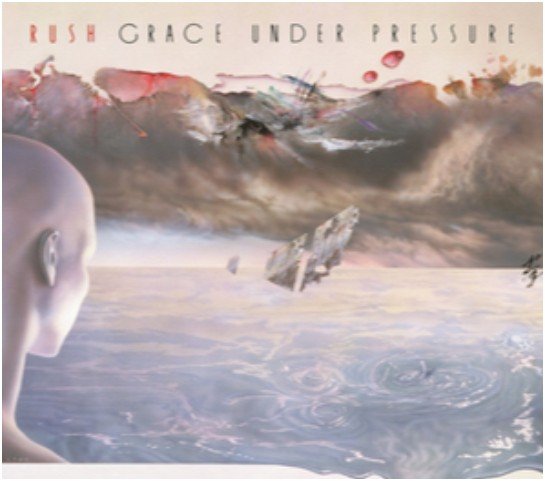
Rush offers four CDs, one Blu-ray, and a 52-page hardcover book. The set includes the remastered original, a new Terry Brown stereo mix, and the complete 1984 Toronto concert. Its Blu-ray adds Atmos, 5.1, stereo audio, remastered video, and 37 minutes of unreleased performances.
This Super deluxe edition album review example has a clear purpose. The original record marked a production transition, so Brown’s later remix presents a meaningful alternative rather than another routine remaster.
“Distant Early Warning” is a useful test for synthesizer separation and low-end control. “Afterimage” tests vocal presence, guitar detail, and emotional weight.
The Toronto concert increases replay value. Fans receive the studio album, an alternate interpretation, and a substantial period performance rather than scattered live tracks.
The physical collectibles create spectacle, but the audio remains the strongest reason to consider the box.
Specification-based score: 89/100.
How I Decide Whether the Box Is Worth Buying
I ask three questions before recommending a purchase. Do I love the album enough to revisit it regularly? Does the box contain exclusive music I will actually play? Can my equipment use its best audio formats?
A Blu-ray adds little without compatible equipment. Vinyl duplicates may also feel unnecessary for listeners who prefer CDs or digital files.
For US buyers, shipping protection and return policies deserve attention. I compare retailers before paying a premium for a heavy, elaborate package.
A responsible Super deluxe edition album review should also separate fan value from potential resale value. Limited packaging may become collectible, but speculation remains unreliable. Listening value comes first.
The ideal buyer already loves the original album, owns suitable playback equipment, and wants deeper historical context. A curious newcomer should usually begin with the standard album or a smaller deluxe edition.
The Red Flags Behind a Fancy Box
Every Super deluxe edition album review should identify warning signs, not simply praise the extras. I become cautious when an album returns with minor mastering changes and little archival material.
I also question incomplete concerts, weak demos, redundant vinyl, and vague mastering credits. Labels should identify the engineer, source, mix format, and resolution.
Poor disc storage is another warning. Premium packaging loses its appeal when tight sleeves scratch discs or make them difficult to remove.
Specialist coverage can help. SuperDeluxeEdition, founded by music journalist Paul Sinclair, focuses on reissues, physical formats, packaging, and immersive releases. I still compare specialist opinions with official track lists and my own priorities.
Big Box, Bigger Standards
My final Super deluxe edition album review verdict is direct: the best sets turn an album into a documented creative era. They improve the sound, organize the archive, and reward repeat listening.
YES offers the deepest excavation. The Who delivers the strongest historical narrative. Rush provides the clearest alternate-production story. None is automatically essential for every listener.
Score the set against your equipment and listening habits before ordering. If the music creates most of the value, buy confidently. If the trinkets carry the price, leave that giant box on the shelf.
Frequently Asked Questions
1. What should a Super deluxe edition album review cover?
It should assess sound, bonus material, packaging, compatibility, historical context, replay value, and price.
2. Are super deluxe album box sets worth the price?
They are worthwhile when exclusive audio, strong documentation, and repeated listening justify the premium cost.
3. Is Dolby Atmos essential in a deluxe album edition?
No. It adds value only when compatible equipment and a thoughtful mix improve the listening experience.
4. What is the difference between deluxe and super deluxe editions?
A super deluxe set usually adds more discs, archival recordings, premium books, surround audio, and collectible packaging.
Disclaimer: All images used in this blog are for editorial and informational purposes only. The visuals are either AI-generated or sourced from Wikipedia. They do not represent actual events or endorse any specific brands or individuals. All trademarks, logos, and copyrighted materials belong to their respective owners.