







I have always found it fascinating that an unfamiliar sound can become the center of an entire culture. A regional influence, production style, or emotional mood may begin with one artist and spread among listeners who feel overlooked by mainstream music.
Understanding how music communities form around niche genres means looking beyond playlists. These communities grow through shared identity, repeated interaction, online discovery, local spaces, and the feeling that everyone involved has found something meaningful.
A Distinctive Sound Creates the First Connection
Most niche communities begin with music that feels different from popular trends. The sound may combine genres, revive an older style, reflect a local experience, or use unusual production methods.
Early listeners do more than enjoy the songs. They recognize their emotions, values, humor, frustrations, or memories in them. That recognition encourages them to find others who understand the same sound.
A genre does not need millions of listeners to become influential. A small group of active fans can create momentum by recommending tracks, discussing releases, attending shows, and welcoming newcomers.
Genre Names Build a Shared Language
A developing sound becomes easier to find once it receives a memorable name. Musicians, journalists, Disk Jockeys, labels, or fans may create the label. Once it spreads, listeners can search for it, tag songs, organize playlists, and explain their taste.
The name also creates boundaries. Fans debate which artists represent the style and what belongs inside it. Members develop terms for production techniques, fashion, moods, dances, and smaller branches of the genre. Shared language turns isolated listeners into recognizable participants.
Online Platforms Connect Scattered Listeners
Earlier niche scenes often depended on local radio, record stores, magazines, venues, campuses, and mixtapes. Those spaces still matter, but digital platforms allow people with uncommon tastes to connect across distance.
Discovery Must Become Participation
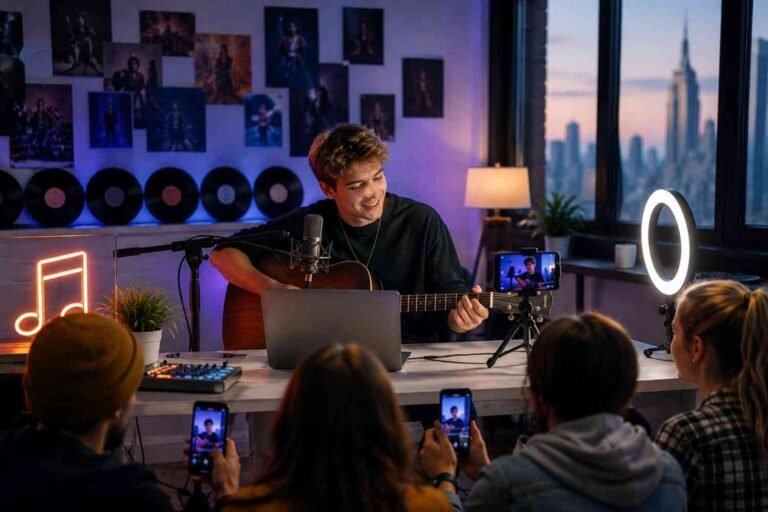
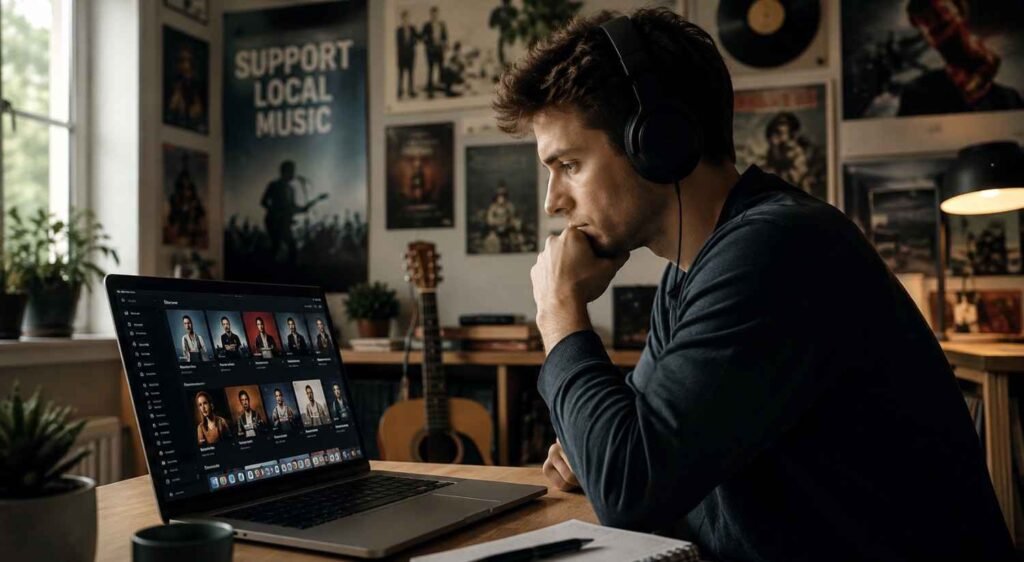
Streaming recommendations, including recommendations on Spotify, short videos, forums, and social feeds can introduce a listener to a new sound. A community begins only when passive listening becomes active involvement. Following an artist, sharing a playlist, joining a discussion, or entering a group chat strengthens the connection.
Dedicated Spaces Create Deeper Bonds
Reddit groups, Discord servers, forums, fan pages, and private chats keep conversations going between releases. Members recommend music, explain genre history, organize listening sessions, review songs, and support overlooked artists.
The strongest spaces are not built only for promotion. They succeed because members contribute knowledge, humor, criticism, support, and discovery. People stay when they feel valued rather than treated as customers.
Tastemakers Give the Scene Credibility
Playlist curators, independent writers, DJs, podcasters, collectors, photographers, and event organizers often decide which artists gain early attention. A recommendation from a respected insider may matter more than broad exposure.
Independent labels reinforce this trust by connecting artists, releasing music, arranging events, and creating a recognizable identity around the scene, including carefully curated songs for a cozy autumn playlist.
Shared Aesthetics Turn Sound Into Identity
Cover art, clothing, typography, photography, symbols, videos, memes, and stage design can communicate membership. Fans adopt these elements because the genre represents part of who they are.
The community becomes more than a collection of tracks; it becomes a way to express personality, values, and belonging. For people disconnected from dominant trends, a niche scene can feel like a cultural home.
Live Experiences Create Real Relationships
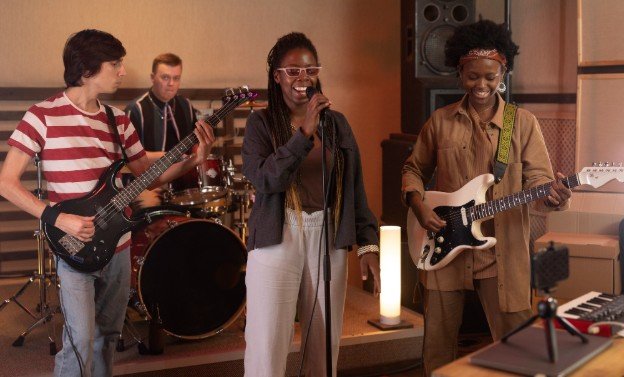
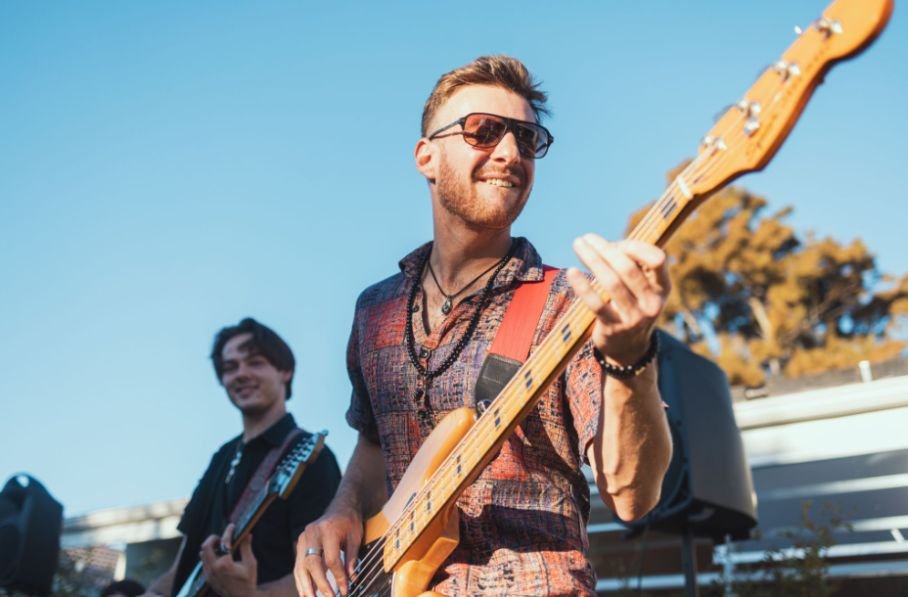
Small concerts, club nights, festivals, listening parties, record fairs, and independent venues allow fans to meet artists and create shared memories. Online discovery may introduce the music, but physical gatherings make participation feel real.
Rituals Give the Scene Continuity
Annual events, release-night discussions, recurring jokes, dances, dress codes, fan compilations, and traditions turn participation into ritual. People remember where they heard songs and who recommended them. That collective memory gives the genre a history worth preserving.
Fans and Artists Shape the Genre Together
Niche communities are rarely created by musicians alone. Fans contribute reviews, artwork, playlists, remixes, videos, recommendations, and event support. Their reactions may influence which sounds develop and which artists collaborate.
Direct communication reduces the distance between creator and listener. Artists can test ideas and recognize regular supporters. Fans feel invested because their participation matters. This closeness can also produce debates about authenticity, commercialization, and gatekeeping.
When a Niche Genre Becomes Popular
Growth can bring better income, tours, collaborations, and recognition. It can also attract trend-focused listeners, inaccurate labels, and commercial imitations.
Some fans welcome expansion, while others fear the scene will lose its identity. Communities may split into smaller subgenres or create new spaces to protect underground traditions. The cycle continues because listeners keep searching for sounds that feel personal.
Frequently Asked Questions
1. How do music communities form around niche genres?
How music communities form around niche genres depends on shared taste, emotional connection, repeated conversation, trusted tastemakers, recognizable aesthetics, digital spaces, and live experiences that turn listeners into participants.
2. Why Are Niche Music Fans Often Highly Loyal?
They invest time in discovering artists, learning the scene’s history, attending events, and building friendships. That involvement creates loyalty beyond individual songs.
3. Can a Music Community Exist Entirely Online?
Yes. Regular interaction, shared traditions, collaborative projects, and artist participation can make an online scene meaningful, although live events may deepen relationships.
4. Do Algorithms Create Niche Music Communities?
Algorithms help listeners discover music, but lasting community requires conversation, trust, participation, shared memories, and mutual support.
The Last Note
I see niche music communities as proof that culture does not need a massive audience to matter. A small group of passionate listeners can protect a sound, create language around it, support emerging artists, and influence music beyond its original circle.
What begins as an unfamiliar track can become a shared world built through identity, creativity, discovery, and belonging.