






Before America had chart-topping playlists, stadium tours, or streaming hits, it had voices rising from fields, churches, street corners, dance halls, and neighborhood block parties. I hear those voices every time a blues guitar bends, a gospel choir swells, a jazz solo breaks free, or a hip-hop beat drops.
Black music history in America is the story of how pain became rhythm, resistance became sound, and community creativity reshaped the musical identity of an entire nation.
Where Did African American Music Begin?
Enslaved Africans brought polyrhythms, call-and-response singing, vocal improvisation, movement, and communal performance to North America. When enslavers restricted drums, Black communities preserved rhythm through clapping, foot stomping, body percussion, voices, and available instruments.
Field hollers and work songs helped laborers communicate and endure brutal conditions. Spirituals blended African practices with Christian hymns and biblical stories. Songs such as “Go Down, Moses” expressed faith, suffering, freedom, and resistance.
Some spirituals have been interpreted as carrying coded escape messages, although historians debate how often individual songs provided literal Underground Railroad directions.
After the Civil War, the Fisk Jubilee Singers carried arranged spirituals to concert halls across the United States and Europe. Their tours began in 1871 and helped establish spirituals within the American concert tradition.
How Did Ragtime, Blues, and Gospel Reshape American Music?
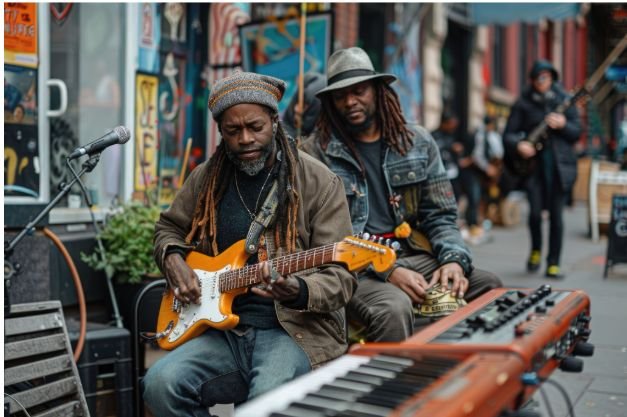
By the late 1800s, ragtime turned syncopated piano rhythms into a national craze. Composer and pianist Scott Joplin became its leading figure after publishing “Maple Leaf Rag” in 1899. Its success helped prepare audiences for jazz.
The blues developed across the South, with the Mississippi Delta becoming an influential center. Performers used expressive vocals, guitar, harmonica, and piano to describe poverty, migration, love, labor, and post-emancipation hardship. Blues phrasing later shaped jazz, R&B, country, rock, soul, and pop.
Gospel grew from spirituals, hymns, blues, and Black church traditions. Its emotional singing, improvisation, hand claps, and call-and-response energy became essential to soul, R&B, rock and roll, and pop.
Why Were Congo Square, Jazz, and the Great Migration Important?
Jazz emerged in New Orleans through blues, ragtime, brass bands, spirituals, and Caribbean influences. Congo Square preserved African-derived drumming, dancing, syncopation, and communal performance, helping create the environment from which New Orleans jazz developed.
Louis Armstrong transformed improvisation and vocal performance, while Duke Ellington and Count Basie helped define the big-band era. Jazz moved from regional clubs into recordings, radio, ballrooms, and global culture. During the Harlem Renaissance, it joined a wider flowering of Black art, political expression, and cultural pride.
The Great Migration carried Southern traditions into major U.S. cities, fueling electric Chicago blues, urban gospel, jazz, and rhythm and blues.
Did Black Musicians Create Rock and Roll?
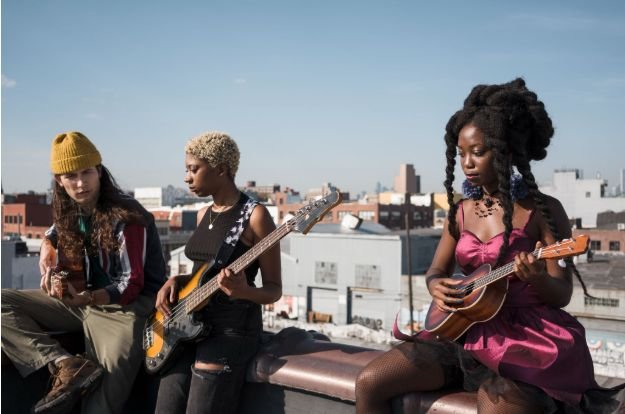
Black musicians built rock and roll from gospel, blues, boogie-woogie, and R&B. Sister Rosetta Tharpe brought electric-guitar power to gospel. Chuck Berry shaped rock’s guitar vocabulary and storytelling, while Little Richard supplied explosive piano, vocals, rhythm, and stage presence.
The industry did not reward these innovators equally. White performers often reached larger audiences with songs first created or popularized by Black musicians. Segregated promotion, exploitative contracts, lost credit, and withheld royalties let others profit while originators received less recognition.
How Did Motown, Soul, Funk, and Protest Music Change the U.S.?
Berry Gordy Jr. turned Motown Records into a Detroit hit-making enterprise with crossover success. The Supremes, Marvin Gaye, Stevie Wonder, The Temptations, and Smokey Robinson brought Black performers into homes nationwide.
Memphis produced a grittier Southern soul sound through Stax Records. Gospel feeling, horns, and tight rhythm sections powered Otis Redding, Sam and Dave, and Isaac Hayes. Soul evolved from gospel-influenced R&B and became closely connected with the social and political changes of the 1960s.
How Did Hip-Hop, House, Techno, and Trap Reach the World?
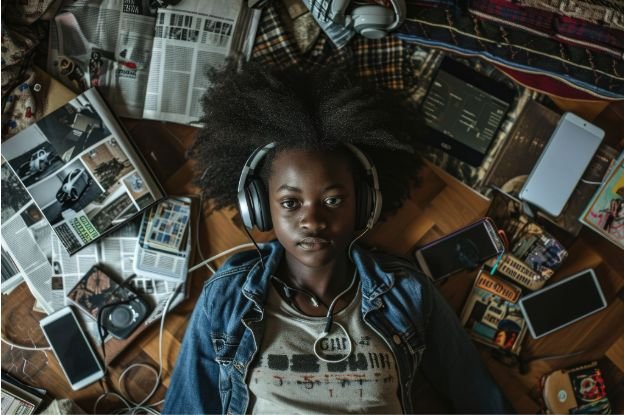
Hip-hop emerged in the Bronx during the early 1970s through block parties, DJing, MCing, breakdancing, graffiti, and turntable experimentation. DJs extended instrumental breaks, while rappers documented inequality, ambition, identity, celebration, and urban life.
Black and Latino communities drove disco. Black and queer DJs developed house in Chicago’s underground clubs, while Black Detroit artists created techno with synthesizers, drum machines, and futuristic ideas. Hip-hop expanded into major regional styles, and Southern trap became a dominant sound across rap, R&B, and pop.
This progression reveals a recurring pattern: Black innovation begins inside a community, gets dismissed as a subculture, and later becomes standard American pop culture and a global commercial force.
Frequently Asked Questions (FAQs)
1. Why Is Black Music Essential to American History?
Black music documents slavery, migration, segregation, faith, labor, civil rights, ownership, and identity. Spirituals fed gospel, blues shaped rock, gospel and R&B produced soul, funk energized hip-hop, and disco helped inspire house and techno.
2. What Genres Did Black Americans Create or Shape?
Black Americans created or fundamentally shaped spirituals, gospel, blues, ragtime, jazz, R&B, rock and roll, soul, funk, disco, hip-hop, house, techno, and trap. Their innovations also transformed country, pop, electronic music, dance, fashion, and film.
3. How Did Slavery Influence African American Music?
Music helped enslaved communities preserve memory, faith, rhythm, communication, and solidarity. Work songs, field hollers, spirituals, and call-and-response practices became foundations for later genres.
4. Why Has Black Music Not Always Received Equal Credit?
Segregation, exploitative contracts, unequal promotion, cover recordings, and limited ownership often separated Black creators from the profits and recognition generated by their work.
5. Why Does This Musical History Still Matter?
It restores credit to the communities behind familiar sounds and shows how U.S. music reflects both cultural exchange and unequal power.
The Sound That Continues to Build American Culture
When I revisit Black music history in America, I hear a living cycle of creativity moving from spirituals and Delta blues to jazz clubs, Detroit studios, Bronx block parties, Chicago dance floors, and Southern trap production. Black artists repeatedly reinvented American music and gave the world new ways to sing, dance, protest, celebrate, and imagine the future.