











A weak acoustic record simply turns down the volume. A great one exposes a song’s bones, then rebuilds its emotional shape. In this acoustic album review, I compare four releases that take very different routes toward intimacy.
Thin Lizzy revisits rock history. Lights reshapes electronic pop. Sonata Arctica removes power metal’s armor. Cecilia Zabala turns one guitar into an ensemble. I judge which album gains the most through reinvention.
What Makes an Acoustic Album Worth Hearing?
Many stripped-down projects feel like bonus content. The arrangement softens, yet the interpretation stays unchanged. That rarely creates an essential album.
A useful acoustic album review should ask one question: does the new form reveal something the original concealed? That discovery might be a sharper lyric, a vulnerable vocal, or an unexpected rhythm.
Unlike a Concept album, which often depends on a unified narrative, an acoustic project usually succeeds song by song. Each track must justify its new shape.
My Song Survival Test
I score each record on four factors: songwriting strength, creative rearrangement, vocal honesty, and replay value. Each category receives ten points, creating a 40-point total.
This editorial method limits nostalgia and rewards genuine transformation.
Why Timbre Changes the Emotion
Acoustic instruments alter more than volume. Research shows that timbre can independently affect how listeners perceive musical emotion. A familiar melody may therefore feel warmer, sadder, or more intimate when its instrumental color changes.
The strongest releases change pacing, texture, vocal balance, and silence. An unplugged guitar does not guarantee authenticity.
Thin Lizzy’s Acoustic Sessions: History Rebuilt

Image source: Wikipedia
Released on January 24, 2025, Thin Lizzy’s Acoustic Sessions combines Philip Lynott’s vocal performances, Brian Downey’s original drum takes, and new acoustic arrangements from founding guitarist Eric Bell. Its nine songs revisit material from the band’s first three albums, including “Whiskey in the Jar.”
The construction feels like a conversation across time. Bell avoids copying the later twin-guitar attack and gives Lynott’s voice an earthier frame.
My acoustic album review score is 33/40. The songs remain strong, but the archival-new blend sometimes feels curated. It works best when reflection replaces reverence.
Best for: Classic-rock listeners who value history, intimate guitar work, and emotionally grounded alternate versions.
Lights’ Siberia Acoustic: Electronic Pop Finds Warmth

Image source: Wikipedia
Lights released Siberia Acoustic on April 30, 2013. It features acoustic versions of songs from her 2011 album Siberia, with guest appearances by Owl City, Max Kerman of Arkells, and Cœur de pirate. “Cactus in the Valley,” featuring Owl City, served as the first single.
The new arrangements replace electronic pressure with piano, guitar, cello, and exposed vocals. AllMusic praised the album’s relaxed, lush atmosphere.
The experiment succeeds because Lights has clear melodic instincts. “Cactus in the Valley” becomes fragile, while “Peace Sign” gains conversational warmth. Some tracks lose their original tension.
My acoustic album review score is 34/40. Vocal clarity and accessibility lead the record. Electronic pop survives without its signature tools, although it does not always improve.
Best for: Pop listeners seeking a polished, emotional, and easy entry into acoustic reinterpretation.
Sonata Arctica’s Acoustic Adventures: Metal Without Armor

Image source: Spotify
Sonata Arctica released Acoustic Adventures – Volume One on January 21, 2022. The official 12-song track list includes “Tallulah,” “Don’t Say a Word,” and “The Wolves Die Young.” Tony Kakko wrote the songs, while the band handled the arrangements.
This project takes the greatest risk. Removing power metal’s speed, distortion, and force could expose weak foundations. Instead, the arrangements reveal melancholy, folk influence, and narrative detail.
Hardbeat called the album a “quiet triumph” and praised the songwriting beneath the band’s usual bombast. The best tracks do not sound like metal played gently. They sound like folk songs that once chose to wear metal clothing.
My acoustic album review score is 36/40. Reinvention earns the highest marks. Some polished moments need more roughness, but tension supplies real weight.
Best for: Listeners who want the boldest genre transformation in this comparison.
Cecilia Zabala’s The Color of Silence: Music as Architecture
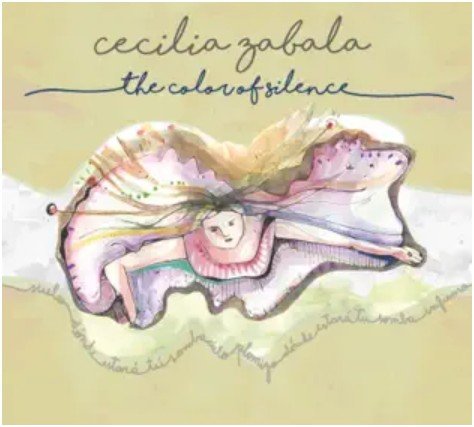
Image source: Apple Music
Cecilia Zabala’s The Color of Silence is not primarily a remake project. She uses seven-string Spanish guitar, requinto, acoustic guitar, and voice while drawing from tango, jazz, Argentine folk, and contemporary music.
Acoustic Guitar highlighted the album’s polyphonic textures and its movement between Latin jazz and Baroque-like detail. The review also praised Zabala’s ability to build atmosphere through guitar and voice.
I find this the most complete album here. Its power comes from touch, rhythm, space, and control. Individual strings feel like separate characters.
My acoustic album review score is 38/40. Musicianship, atmosphere, and replay value lead the field. Each return reveals another layer.
Best for: Guitar players and adventurous listeners who value detail over instant hooks.
Acoustic Album Comparison: Which Record Wins?
Thin Lizzy offers the strongest historical pull. Lights provides the most accessible listen. Sonata Arctica travels the greatest stylistic distance. Cecilia Zabala creates the richest self-contained acoustic world.
For this acoustic album review, my ranking is:
- The Color of Silence — 38/40
- Acoustic Adventures – Volume One — 36/40
- Siberia Acoustic — 34/40
- Acoustic Sessions — 33/40
The scores remain close because each record serves a different listener. This acoustic album review favors transformation over fame or nostalgia.
How to Write a Useful Acoustic Album Review
When drafting an acoustic album review, compare the new version with the artist’s established musical language. Do not praise a record merely because the vocals sound exposed. Explain what changed and why that change matters.
I use a two-setting test. Headphones reveal breath and finger noise. Speakers expose balance, room presence, and thin arrangements.
Identify one song that improves, one that loses something, and one that becomes different. That check maps the album quickly.
Less Noise, More Nerve: My Final Verdict
Cecilia Zabala wins my acoustic album review because she creates the richest musical world with the fewest obvious materials. Sonata Arctica comes close by delivering the boldest transformation.
Lights offers warmth. Thin Lizzy carries historical resonance. Each record works when subtraction creates a fresh emotional angle.
My final tip is simple: play an acoustic track beside its original version. The better recording may not sound prettier. It will make the song feel newly understood.
Frequently Asked Questions
1. What should an acoustic album review include?
It should assess songwriting, vocals, rearrangement quality, production, emotional impact, and replay value.
2. Are acoustic versions better than original songs?
Some reveal stronger lyrics or vocals, while others lose energy without the original production.
3. What is the best acoustic album for new listeners?
Lights’ Siberia Acoustic is the easiest entry point, while Cecilia Zabala offers deeper musicianship.
4. Why do acoustic songs sound more emotional?
Changed timbre and reduced instrumentation make vocals, pauses, lyrics, and small performance details more prominent.