











A clever storyline can make an album sound important before the music earns that praise. When I write a Concept album review, I test the record as a story, a sonic experience, and a collection of songs. That method reveals whether the concept deepens the music or merely decorates it.
The Library of Congress describes concept albums as records unified by a theme, musical idea, or narrative. Cohesion can therefore come from plot, mood, characters, setting, or one sustained argument.
What Makes a Concept Album More Than a Tracklist?

A strong Concept album review begins by identifying the binding idea. I ask one direct question: What becomes clearer after hearing the complete album in order?
If later tracks revise earlier lyrics, resolve conflicts, or transform recurring sounds, the album creates collective meaning. If nothing changes, the concept may be branding rather than structure.
Academic research has also examined the album as a curatorial medium. This supports the idea that sequencing, selection, and presentation help shape the complete artistic statement.
Narrative Albums, Thematic Albums, and Blurred Lines
Narrative albums tell stories through characters, events, and consequences. Thematic albums may lack a linear plot but remain unified by one mood, location, social concern, or emotional problem.
I do not force every concept record into a novel-shaped box. A fragmented album can still feel complete when its lyrics, production, and recurring images support one worldview.
My Concept album review therefore identifies the type of unity the artist attempts before judging whether that approach succeeds.
Concept Album vs. Soundtrack Album
A concept record creates its organizing idea within the album. A Soundtrack album usually serves a film, television series, video game, or stage production, although it may also have strong narrative unity.
That difference changes how I approach the music. I judge a concept album by how its tracks build meaning together. I judge a soundtrack partly by how the music supports scenes, characters, pacing, and the experience outside the visual work.
My Three-Layer Method for Reviewing Concept Albums

My original “Story, Sound, Song” test prevents ambition from receiving automatic credit. Each layer must provide clear evidence.
Story: Identify the Album’s Central Spine
First, I express the concept in one sentence. If I need a paragraph filled with guesses, the album may not communicate its premise clearly.
Next, I track movement. For a narrative record, that means following choices and consequences. For a thematic record, it means examining how the central idea develops.
A useful Concept album review explains movement rather than merely identifying the subject. Saying an album is “about isolation” is not enough. I want to know whether isolation becomes acceptance, anger, connection, or complete collapse.
Sound: Listen for Musical Proof
Lyrics should not carry the concept alone. I listen for recurring melodies, altered chord patterns, production shifts, instrumental voices, and changes in tempo.
The key question is simple: Does the music reveal something the lyric sheet cannot?
A melody may sound confident during its first appearance and damaged during its return. A spacious mix may gradually become claustrophobic. A steady rhythm may break apart as the narrator loses control.
These decisions turn an abstract concept into an audible experience. Without them, the album may resemble a group of songs connected only by repeated vocabulary.
Song: Test Each Track Outside the Narrative
I play several tracks away from the complete album. This exposes weak writing that an elaborate storyline may hide.
A song does not need a radio-friendly hook, but it should offer tension, atmosphere, melody, rhythm, or emotional purpose.
My Concept album review lowers the score when interludes repeat information, characters speak without developing, or transitions replace actual songwriting. Narrative function cannot excuse a track that feels unfinished.
The strongest records pass both tests. Their songs work independently but reveal additional meaning within the full sequence.
How Track Sequencing and Musical Motifs Shape the Story
Sequence controls revelation, contrast, and emotional pace. A carefully placed track should make the next song feel necessary.
Transitions Should Create Cause and Effect
One song may introduce a decision, while the next reveals its cost. Another may end with confidence before the following track exposes that confidence as false.
Even a sharp genre change can work when it represents a new character, setting, memory, or mental state. The shift should feel purposeful rather than random.
I test the architecture by imagining a different track order. If almost any sequence works, the narrative design may be thin. A strong sequence creates emotional cause and effect.
Repetition Should Evolve
Recurring phrases and musical motifs create memory. However, repetition matters only when the surrounding context changes its meaning.
A hopeful chorus can return as irony. A character theme can lose instruments as confidence collapses. A repeated line can move from promise to accusation.
In a detailed Concept album review, I identify the first appearance, the return, and the transformation. That proves the motif performs dramatic work instead of functioning as decoration.
Worked Example: American Idiot

Image source- Wikipedia
Green Day’s 2004 album offers a useful example because it combines political satire, an anti-hero’s journey, hit singles, and long-form suites.
The record won the Grammy for Best Rock Album. “Boulevard of Broken Dreams” later won Record of the Year, demonstrating that a song from a larger narrative could also succeed independently.
The Premise
The album follows the “Jesus of Suburbia” through alienation, rebellion, fractured identity, and disillusionment. St. Jimmy and Whatsername work as emotional forces as well as recognizable characters.
In my Concept album review, I would establish this premise without retelling every lyric. Plot summary should clarify the stakes and then give way to analysis.
A reviewer does not need to explain every event. The more useful task is showing how the character’s emotional state changes the sound and structure of the album.
The Musical Execution
“Jesus of Suburbia” and “Homecoming” use multi-part structures, tempo changes, and contrasting sections to create chapter-like movement. Shorter tracks provide emotional close-ups between those larger arcs.
The record also moves between public anger and private loneliness. That shift turns political frustration into personal consequence.
The concept becomes convincing because the social critique and character story pressure each other. The political setting affects the protagonist, while his failures make the broader criticism feel personal.
The Standalone-Song Test
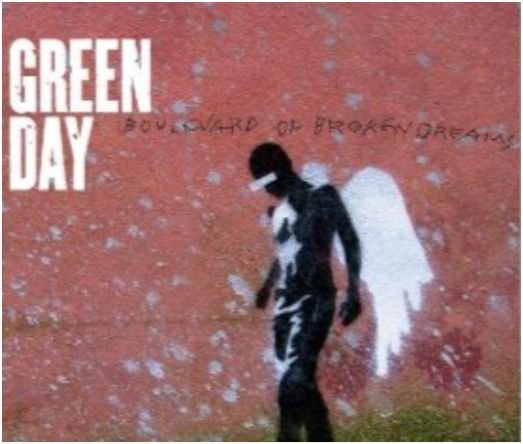
“American Idiot,” “Holiday,” and “Boulevard of Broken Dreams” work outside the full sequence. Their placement still adds another layer of meaning.
“Boulevard of Broken Dreams” becomes more than a loneliness anthem after the protagonist’s departure and inflated rebellion. It marks the point where imagined freedom becomes isolation.
This is the balance I seek: songs that survive alone but gain weight together. Green Day’s official 20th-anniversary releases also continue to present the record as a complete artistic work rather than only a collection of successful singles.
Common Mistakes That Weaken a Concept Album Review
The first mistake is summarizing the plot instead of reviewing the music. Readers need interpretation, not a transcript of the storyline.
The second is praising complexity by default. Extra characters, spoken interludes, reprises, and long tracks do not guarantee depth. I always ask what each device changes.
The third mistake is ignoring weak standalone tracks. A concept can explain repetition without excusing boredom. Every track should contribute musical or emotional value.
Another mistake is treating ambiguity as failure. Some albums invite several readings. A fair Concept album review separates deliberate openness from incomplete development.
Finally, I never review only the lyrics. Production, performance, silence, sequencing, and instrumental choices may carry the album’s strongest narrative evidence.
Final Spin: Don’t Let the Plot Bully the Music
A Concept album review should reward cohesion without becoming dazzled by ambition. A complicated plot does not automatically create a meaningful album.
I use the Story, Sound, Song test because it forces every claim back to evidence. State the concept in one sentence. Track how it changes. Listen for musical proof. Then remove several songs from the narrative and test their strength.
If the record still works at every level, the concept has not covered the cracks. It has created a larger work worth replaying.
Frequently Asked Questions
1. What should a concept album review include?
Include the central idea, lyrical development, musical motifs, sequencing, standout tracks, weaknesses, and a clear final verdict.
2. How do I know whether an album is a concept album?
Look for a shared narrative, theme, mood, setting, character system, or recurring musical idea across the tracklist.
3. Can concept albums contain standalone songs?
Yes. Strong concept albums contain songs that work independently while gaining deeper meaning within the full sequence.
4. How long should a concept album review be?
A detailed review usually works well at 800 to 1,200 words, depending on the album’s narrative and musical complexity.