









A glossy box, heavyweight vinyl, and unreleased demos can make an old album feel essential again. Yet a serious album reissue review must answer one question: does this edition improve the experience enough to justify buying the music twice?
I judge a reissue on more than nostalgia. The remaster should serve the recording. The extras should reveal something meaningful. The packaging should provide context rather than decorative clutter.
What an Album Reissue Review Should Measure
A useful album reissue review separates four elements: sound, archival material, presentation, and historical value. One may succeed while another fails.
Sound Quality Comes First
The best remaster reveals detail without sanding away character. I listen for clearer separation, controlled bass, stable vocals, and preserved dynamics. More volume does not automatically create more impact.
Quiet passages matter too. Hiss, room sound, and distortion may belong to the recording. Removing them too aggressively can make the music feel sterile.
Vinyl needs separate scrutiny. A 180-gram record can still be warped, noisy, or off-center. Weight describes the object, not the mastering.
Bonus Material Needs a Purpose
Demos and alternate mixes earn their place when they show creative decisions. A changed lyric, rough vocal, missing guitar layer, or abandoned arrangement can reveal how a song developed.
I prefer 12 revealing tracks over 60 near-identical fragments. Strong collections sequence archival material like a story, not a storage folder.
Readers comparing formats can also consult our Deluxe edition album feature before choosing standard, expanded, or super-deluxe versions.
Packaging Should Add Context
Books, photographs, session details, and replica memorabilia can deepen the experience. However, every item should connect with the album’s history.
I look for mastering credits, source information, recording dates, and notes from people involved. Vague promises of “superior sound” tell buyers very little.
Four Reissues, Four Different Value Propositions
These releases show why every album reissue review needs a flexible method.
Pink Floyd — The Dark Side of the Moon
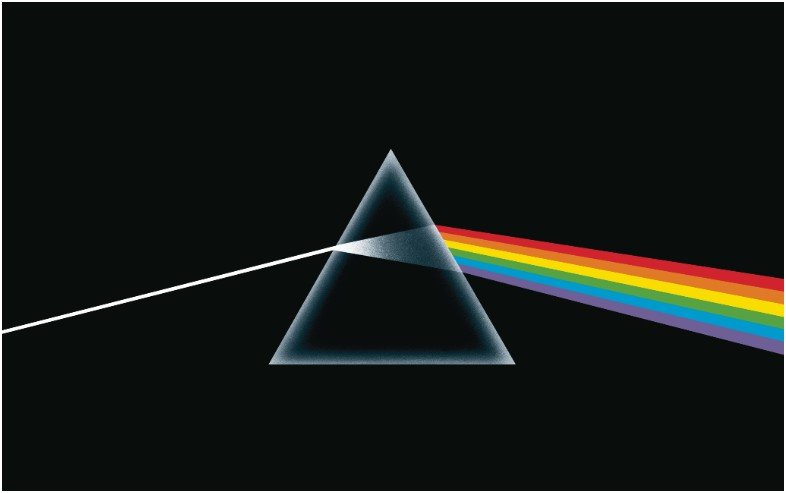
The 50th-anniversary campaign centers on James Guthrie’s 2023 remaster. The official box includes the studio album on CD and vinyl, remastered stereo, the original 5.1 mix, Dolby Atmos audio, and the 1974 Wembley performance. The standalone 180-gram LP includes posters and stickers.
Its value comes from format choice rather than a huge demo archive. Buyers should decide whether surround sound, vinyl, or the live recording matters most.
Metallica — ReLoad
Metallica released the remastered ReLoad collection on June 26, 2026. The three-CD expanded edition includes the remastered album, 16 demos and alternate mixes, 13 live tracks, and a 36-page booklet.
That structure works because each disc has a clear job. The second reveals how songs evolved. The third shows how the material changed onstage.
The massive box adds 15 CDs, four DVDs, vinyl, memorabilia, and a 128-page book. Its $274.98 price makes it a collector purchase rather than the obvious choice for everyone.
Supertramp — Even in the Quietest Moments
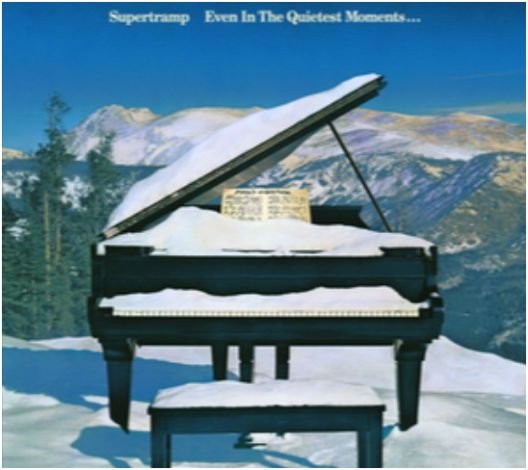
This 2026 reissue uses a half-speed master cut by Miles Showell at Abbey Road Studios. Original co-producer Peter Henderson oversaw the audio transfer, and the album appears on 180-gram black vinyl.
A detailed listening review praised the tested copy as flat, quiet, and immersive. That matters because delicate passages expose surface noise quickly.
This edition offers a clean new pressing rather than a giant archive. Restraint is part of its appeal.
The Replacements — Let It Be
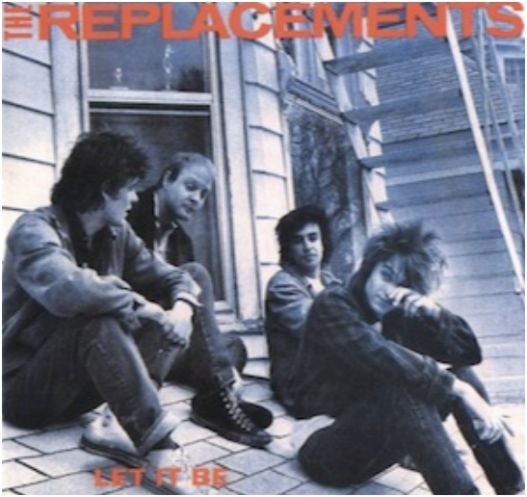
Rhino’s 2025 edition expands the 1984 album across four LPs or three CDs. It includes a new remaster, rarities, alternate takes, outtakes, and a previously unreleased 28-song Chicago performance.
The set works as historical reconstruction. The studio material captures creative change, while the live recording preserves the band’s unstable energy.
A fair album reissue review should acknowledge that an audience tape may sound rough. Its documentary value can still outweigh its technical limits.
My 100-Point Reissue Value Test
I score each release across four areas:
- Sound and pressing quality: 40 points
- Archival value: 30 points
- Historical context: 20 points
- Packaging and usability: 10 points
A score above 80 suggests a genuinely valuable edition. Scores from 65 to 79 suit committed fans. Lower scores usually need a discount.
This method stops expensive packaging from overpowering the music. A beautiful book cannot rescue harsh mastering. A plain package can still win when the audio is exceptional.
Consider a $150 box with excellent sound, weak demos, strong notes, and fragile packaging. I might award 36, 12, 17, and 4 points. The total is 69. That makes it a fan purchase, not a universal recommendation.
How I Compare a Reissue With an Older Edition
My album reissue review process uses matched listening. I compare the same 30-to-60-second passages at similar volume because louder audio often seems clearer.
I choose a dense chorus, a quiet section, and a vocal-led moment. Then I assess bass shape, vocal placement, cymbal harshness, depth, and background noise.
For vinyl, I check warping, centering, marks, edge damage, and surface contamination. I test both sides because flaws may appear only in certain sections.
Finally, I calculate the upgrade cost. A $30 reissue replacing a damaged copy solves a real problem. A $250 box repeating material already owned needs a stronger case.
Frequently Asked Questions
1. What Should an Album Reissue Review Include?
It should assess mastering, pressing quality, bonus tracks, documentation, packaging, price, and differences from earlier editions.
2. Are Remastered Albums Always Better Than the Originals?
No. Some improve clarity, while others sound louder, harsher, or less faithful to the original character.
3. Is 180-Gram Vinyl Automatically High Quality?
No. Record weight does not guarantee good mastering, quiet surfaces, accurate centering, or careful manufacturing.
4. Are Deluxe Album Reissues Worth Collecting?
Yes, when the music, archival material, and historical context matter more to you than rarity or resale hype.
Final Spin: Make the Music Earn Its Shelf Space
A persuasive album reissue review should protect readers from paying twice for the same experience. Great editions restore sound, uncover process, or preserve history. Weak editions place familiar files inside expensive cardboard.
I start with the standard or expanded release when it contains the essential audio. I choose the giant box only when its exclusive material supports repeated listening. Your shelf deserves music you will play, not packaging you will dust.
Disclaimer: All images used in this blog are for editorial and informational purposes only. The visuals are either AI-generated or sourced from Wikipedia. They do not represent actual events or endorse any specific brands or individuals. All trademarks, logos, and copyrighted materials belong to their respective owners.