



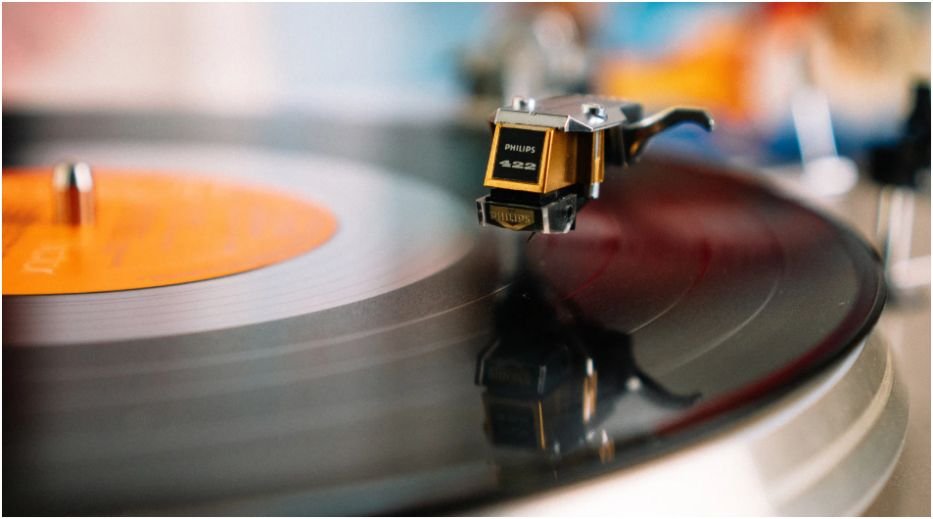







A deluxe album can reveal the record hiding behind the finished version—or bury it under leftovers. In this Deluxe edition album review, I compare four expansions to decide when bonus tracks, remasters, and collector extras truly improve an album.
My standard is simple. Extra material must deepen the original experience, not merely lengthen it. A strong edition should offer artistic continuity, useful context, better presentation, or real physical value.
Deluxe Edition Album Review Criteria That Matter
A useful Deluxe edition album review must judge more than the number of added songs. I use an original four-part method called the Expansion Value Test.
Artistic Continuity
The bonus material should belong beside the original record. A rough demo can work if it reveals how a song developed. A polished outtake can fail if it breaks the album’s mood.
Discovery Value
The best extras change how I understand the artist. Alternate mixes, radio sessions, unreleased songs, and early live recordings can expose creative choices hidden by the standard edition.
Sequencing and Ownership Value
Bonus songs should follow the original ending or sit on a separate disc. Physical editions should also justify their shelf space through mastering, liner notes, archival photographs, or meaningful packaging.
My finding across these four releases was clear: the strongest deluxe editions give every extra a defined purpose. More content does not automatically create more value.
Ed Sheeran’s Play Deluxe: Format Changes the Verdict
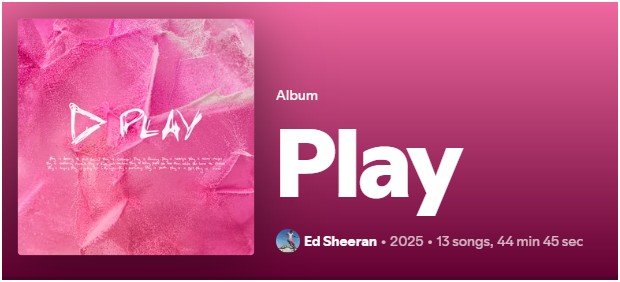
Play signals a fresh pop phase for Ed Sheeran. Songs such as “Sapphire” and “Azizam” bring wider rhythmic and melodic influences into his direct songwriting style.
The challenge is that “deluxe” does not describe one identical product. The official US store lists a deluxe CD with two bonus tracks and a 20-page booklet. An official book LP offers 14 bonus tracks, including five new songs.
That difference changes the buying decision. The CD suits listeners who want a modest expansion. The larger vinyl package targets collectors and committed fans, though its scale creates a greater risk of excess.
My Deluxe edition album review verdict depends on format: 15/20 for the concise CD and 14/20 for the larger package. The presentation adds value, but quantity cannot replace curation.
Thin Lizzy’s Debut Deluxe: An Archive With Purpose
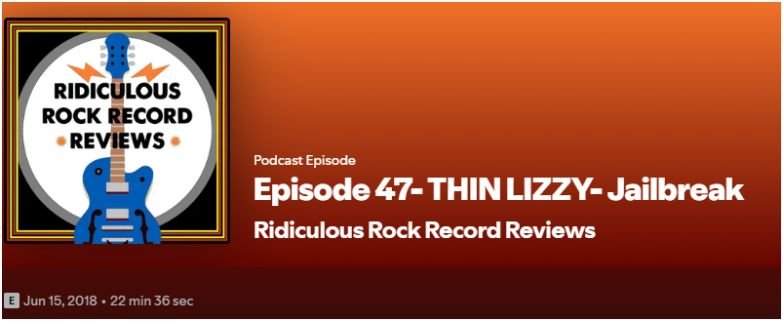
Thin Lizzy’s self-titled debut needs a different reviewing method. This edition is not simply an album with bonus songs. It reconstructs the band’s early creative identity.
The official 55th-anniversary 3CD/Blu-ray set includes 15 unreleased tracks, the New Day EP, BBC sessions, a new stereo mix, a Dolby Atmos mix, and a 40-page hardcover book. It also features the previously unreleased “Beggar’s Song.”
For this Deluxe edition album review, the set’s scope works because each component answers a question. How did the songs develop? What did the original trio sound like beyond the debut? How does a modern mix change the record’s detail?
My Expansion Value score: 19/20. This is the strongest purchase for classic-rock listeners, historians, and physical-media collectors. Casual fans may find it excessive, but the documentation earns its size.
Mogwai’s Young Team Deluxe: Beauty Behind the Volume

Young Team can overwhelm through sheer dynamics. Yet its appeal comes from contrast. Fragile passages create tension before distortion arrives, while “Mogwai Fear Satan” turns repetition into emotional scale.
The deluxe edition pairs the remastered album with rarities, an unreleased track, and live recordings. Pitchfork viewed the reissue as more than a museum piece, emphasising the debut’s continuing influence and renewed accessibility.
The appendix works as context. It shows a young band testing noise, restraint, repetition, and performance. Some live recordings cannot reproduce a venue’s physical force, but they document the group’s early language.
My Expansion Value score: 18/20. New listeners should start with the core album. Established fans will gain more from the extras. For song-level analysis, continue with our track-by-track album feature.
Why Deluxe Editions Often Disappoint
Deluxe releases usually fail in three ways. They interrupt the original sequence, recycle material without explanation, or use expensive packaging to disguise weak additions.
Streaming can worsen the problem. A listener may encounter the expanded tracklist first and never hear the tighter standard sequence. Labels should keep the original album available as a distinct option.
A credible Deluxe edition album review should answer two questions. Does the extra music improve understanding? Does the package justify the money or added listening time?
These releases represent four valid models.Thin Lizzy builds an archive. Young Team supplies historical context.
Deluxe Edition Album Review Verdict: Which Release Wins?
For archival depth, Thin Lizzy wins. Its sessions, mixes, notes, and unreleased material create a serious historical document.
Young Team best suits listeners tracing a band’s development. Play fits pop fans who value packaging and format options.
Skip the Shiny Sticker—Choose the Story
My final rule is blunt: never buy a deluxe edition because the sticker promises “more.” Buy it because the extras reveal a better story.
This Deluxe edition album review found that curation beats volume. Start with the standard album. Identify what you still want to understand. Then choose the expansion that answers that question without weakening the original experience.
Frequently Asked Questions
1. What should a Deluxe edition album review include?
It should assess bonus-track quality, sequencing, mastering, packaging, archival value, and differences from the standard release.
2. Are deluxe albums better than standard albums?
Not automatically; strong editions add context, while weak versions simply add length.
3. How should a Deluxe edition album review score collector value?
It should weigh unreleased music, mastering, packaging, documentation, and likely replay value.
4. Do bonus tracks change an album’s meaning?
Yes, when they extend its themes or reveal how the original songs developed.
Disclaimer: All images used in this blog are for editorial and informational purposes only. The visuals are either AI-generated or sourced from Spotify. They do not represent actual events or endorse any specific brands or individuals. All trademarks, logos, and copyrighted materials belong to their respective owners.