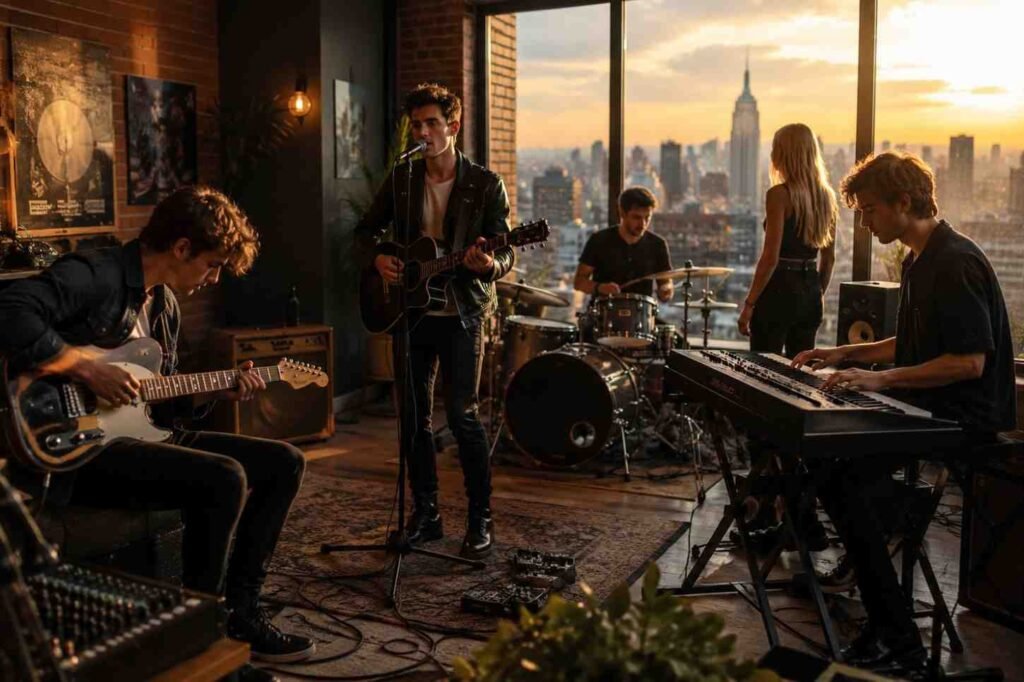



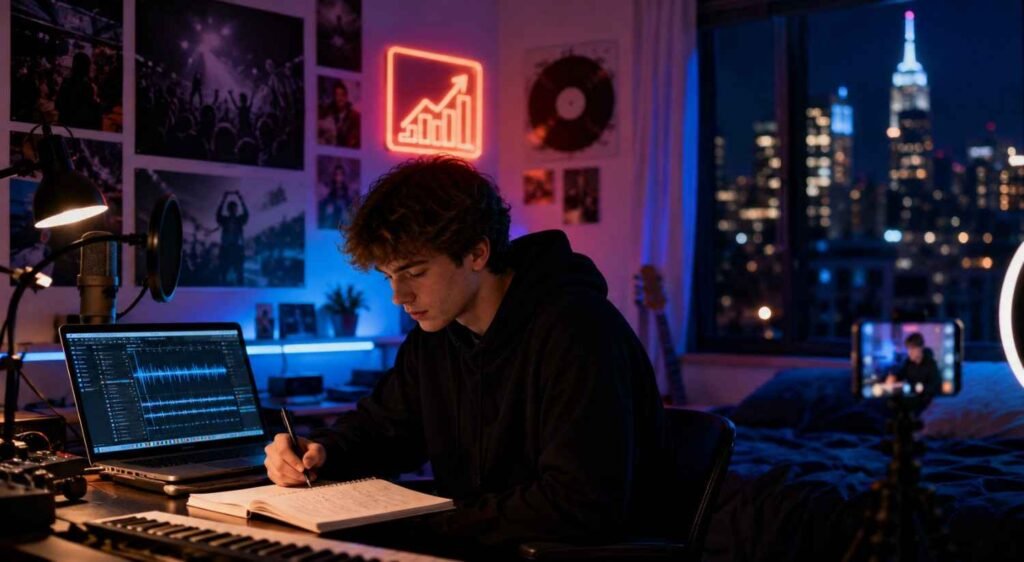

Music has always evolved with technology, but the pace feels different now. A few years ago, success often looked like a major label deal, radio play, and a carefully planned album rollout. Today, people discover new artists through playlists, short-form videos, live sessions, and recommendations that appear almost unexpectedly. That shift has changed not only how music spreads but also what audiences value.
The artists gaining popularity in 2026 aren’t simply creating catchy songs or visually striking work. They’re building identities that people connect with, sharing stories that feel personal, and creating communities that stick around long after a single viral moment fades. Their success says as much about changing audience behavior as it does about talent.
Success Is Being Measured Differently
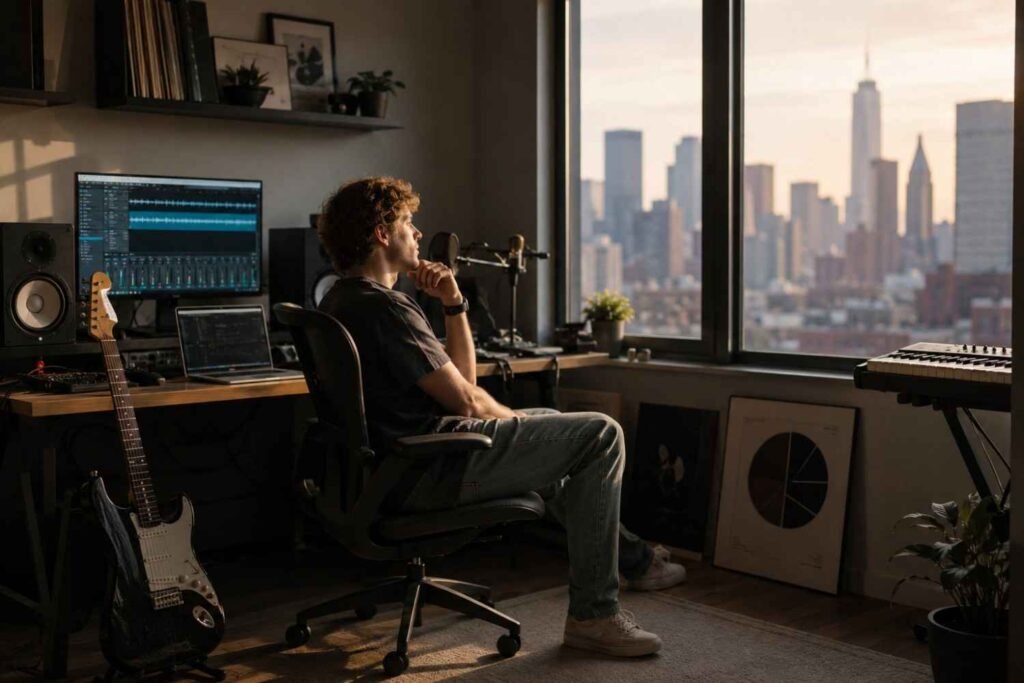
For years, popularity was tied to chart positions and record sales. While those metrics still matter, they’re no longer the only signs of a successful career. Audience engagement, repeat listeners, community interaction, and consistent creative output now carry just as much weight.
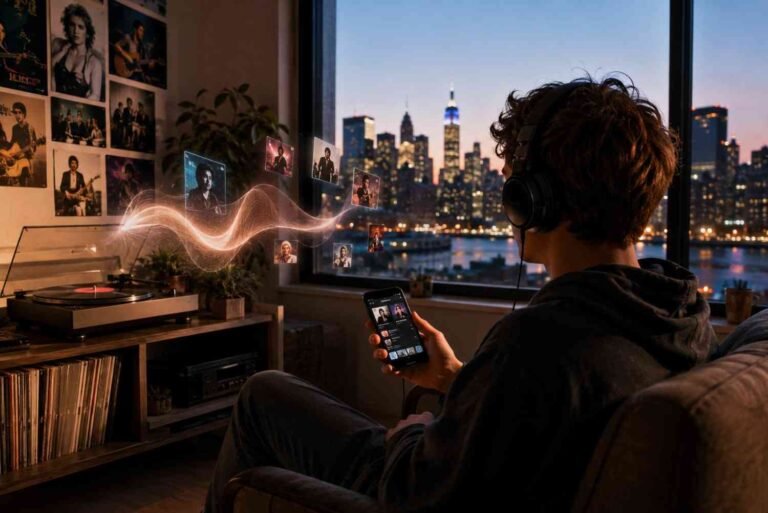
Streaming platforms have made discovering new music easier than ever, while social media allows artists to communicate directly with fans. Instead of waiting for traditional gatekeepers, musicians can release independent projects, test new sounds, and refine their identity in real time.
This has created an environment where authenticity often outperforms perfection.
Artists Who Are Defining 2026
Several creators have become standout examples of how modern music careers are evolving.
Ella Langley has become one of the year’s biggest breakout stars thanks to her chart-topping success with “Choosin’ Texas.” Her rise reflects the continued popularity of country-pop crossovers while showing how collaborations and digital music discovery can introduce artists to audiences well beyond their original genre.
Gigi Perez continues attracting listeners through deeply personal songwriting. Rather than relying on polished pop formulas, her music transforms grief, uncertainty, and emotional vulnerability into songs that resonate with people looking for honesty instead of perfection.
Audrey Hobert has successfully moved from acclaimed songwriter to solo performer. After contributing to major pop hits, she has built her own audience with intimate live performances and distinctive storytelling, proving that creative versatility can strengthen an artist’s long-term growth.
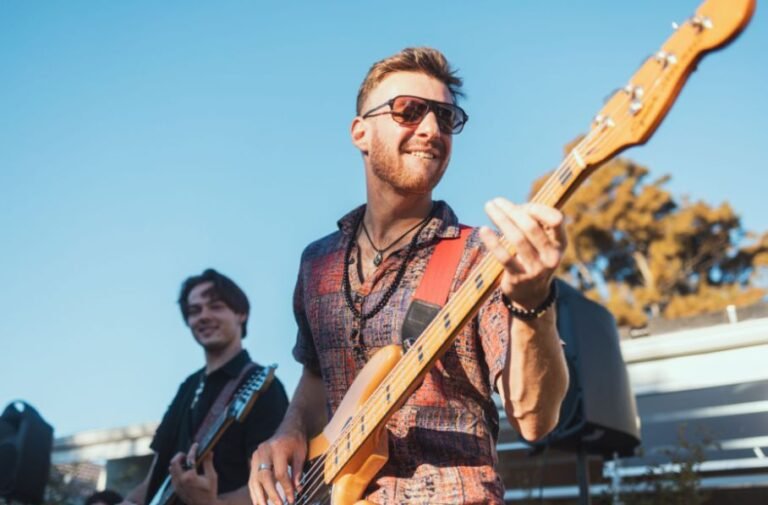
Malcolm Todd has experienced remarkable momentum through guitar-driven indie music paired with refreshingly candid lyrics. His songs explore anxiety, relationships, and everyday emotions without trying to package them into overly polished narratives, making his work feel relatable and genuine.
Perhaps one of the most fascinating stories belongs to Angine de Poitrine. The anonymous Québécois duo performs behind papier-mâché masks while blending microtonal funk-rock with progressive influences. Their viral live performance introduced millions of viewers to music that challenged expectations rather than following mainstream formulas.
Creative Risks Are Becoming Competitive Advantages
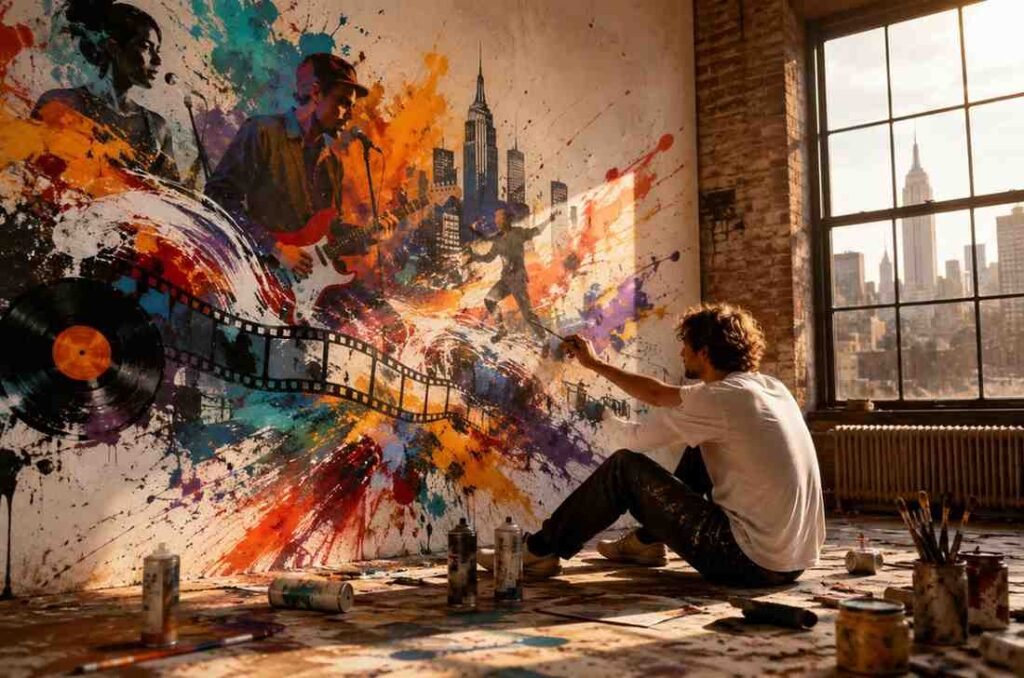
Genre boundaries continue to blur across nearly every corner of the music industry.
Artists freely combine indie rock with electronic production, country with pop, jazz with hip-hop, and experimental sounds with mainstream songwriting. This openness encourages greater creativity while making music discovery more exciting for listeners.
The same willingness to experiment is transforming contemporary visual art.
South Korean-born painter Eunjo Lee uses 3D gaming software as part of her creative process, building digital ecosystems that later become richly layered paintings exploring environmental connections.
Community Is Becoming More Valuable Than Virality
Going viral still creates opportunities, but it rarely guarantees a lasting career.
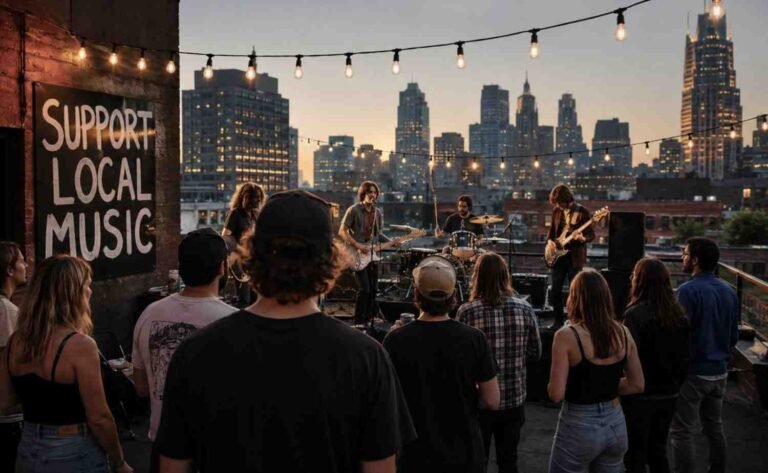
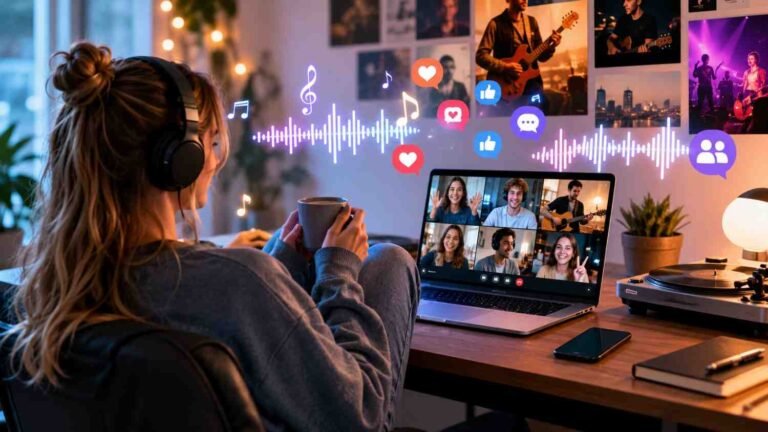
Many successful creators focus on building loyal communities instead of chasing temporary spikes in attention. Regular releases, meaningful conversations, live performances, newsletters, and direct communication all contribute to stronger audience retention.
This approach also supports healthier independent music careers. Artists can diversify income through merchandise, ticket sales, memberships, exclusive releases, licensing opportunities, and fan-supported platforms instead of depending entirely on streaming revenue.
As digital communication continues evolving, sustainable growth often comes from consistent relationships rather than constant reinvention.
What the Next Wave of Artists Is Teaching Everyone

The biggest lesson from 2026 isn’t that technology has replaced talent. Instead, technology has made it easier for distinctive voices to reach people who genuinely appreciate them.
Many emerging music artists are focusing less on chasing algorithms and more on creating memorable experiences for loyal audiences. That mindset encourages stronger music branding, deeper audience engagement, and careers built on consistency rather than short-lived attention.
It’s becoming increasingly clear that lasting success comes from connecting with listeners in ways that feel personal, not manufactured.
Frequently Asked Questions: The Stories Behind Artists Gaining Popularity in 2026
1. Why are artists gaining popularity in 2026 and finding success without major record labels?
Streaming platforms, music distribution services, and social media allow independent artists to reach audiences directly. Many creators now build loyal fan communities before partnering with larger industry organizations.
2. What role does social media play in music discovery?
Short-form video, live performances, creator collaborations, and audience interaction help listeners discover new music naturally. These platforms also encourage ongoing engagement instead of one-time exposure.
3. Why is genre-blending becoming more common?
Artists have access to diverse musical influences and fewer industry limitations than before. Mixing styles helps creators develop unique identities while appealing to broader audiences.
4. What makes an artist stand out today?
Authenticity, consistent creative output, memorable storytelling, meaningful audience engagement, and a recognizable artistic identity often matter more than chasing every trend.
Why Authentic Voices Keep Finding Their Audience
Looking at the artists gaining popularity in 2026, one pattern stands out more than anything else. The creators earning long-term attention aren’t trying to sound like everyone else. They’re embracing vulnerability, experimenting with different creative influences, and building genuine relationships with the people who support their work. Whether it’s through emotionally honest songwriting, innovative visual art, or direct conversations with fans, they’re proving that meaningful connections usually outlast fleeting trends.
As creative platforms continue to evolve, the artists people remember will likely be the ones who stay themselves unmistakably.