





Not long ago, landing a record deal felt like the only realistic path to a music career. Artists spent years trying to catch the attention of labels, hoping someone would invest in their sound. Today, that story looks very different. Many musicians are building impressive careers without waiting for industry approval, and fans are paying attention.
The shift didn’t happen overnight. Streaming platforms, social media, and direct-to-fan communities have given creators more control over their work than ever before. As a result, artists making an impact without major labels aren’t just finding success—they’re changing expectations across the entire music business. From how songs are released to how audiences connect with musicians, independent creators are proving there’s more than one way to build a lasting career.
Why Independence Has Become a Real Advantage

For years, record labels handled everything from production and marketing to distribution. While those services still matter, technology has made many of them accessible to independent musicians at a fraction of the cost.
Digital distribution platforms now allow artists to release music on major streaming services without signing away ownership. Instead of giving up their master recordings, many creators keep complete control over their catalogs. That ownership becomes valuable as songs continue generating streaming revenue, licensing opportunities, and long-term royalties.
Equally important, independent artists don’t have to follow traditional release schedules. Rather than waiting months for a full album rollout, they can release singles whenever inspiration strikes or audience interest is highest. That flexibility helps them stay relevant in today’s fast-moving music landscape.
Owning the Relationship With Fans
One of the biggest advantages of independence isn’t just creative freedom—it’s building genuine relationships with listeners.
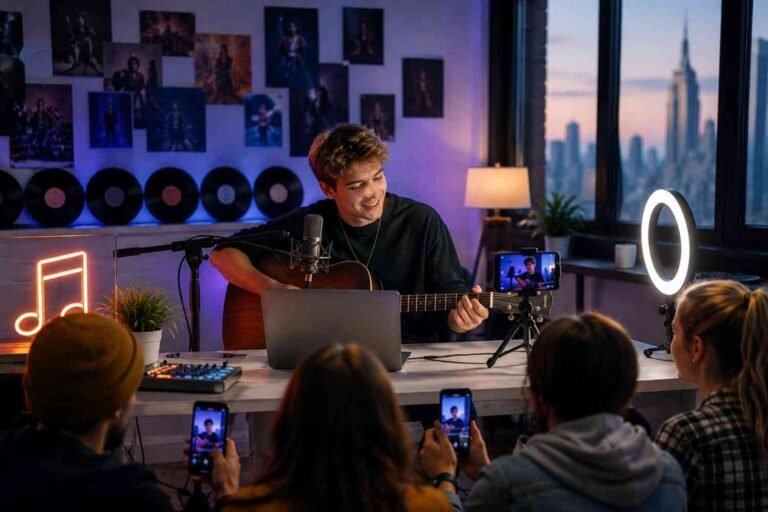
Online communities give musicians places where conversations continue long after a song is released. Fans don’t simply stream music; they participate in discussions, attend virtual events, purchase exclusive content, and support artists throughout their careers.
This approach creates loyalty that’s difficult to replicate through traditional marketing alone. Many musicians have also become experts at understanding how bands grow their audience, recognizing that meaningful conversations often create stronger communities than expensive promotional campaigns.
Instead of chasing massive numbers overnight, many independent creators focus on building smaller groups of highly engaged supporters who return for every release, concert, and project.
Multiple Income Streams Create More Stability

Streaming remains an important source of exposure, but successful independent musicians rarely depend on one revenue channel alone.
Many artists combine several income sources, including:
- Merchandise, vinyl records, and limited-edition products sold directly through online stores.
- Crowdfunding campaigns, memberships, exclusive content, live performances, and sync licensing opportunities for television, films, commercials, and video games.
This diversified approach gives creators greater financial stability. If one revenue stream slows down, others continue supporting their business. It also reduces dependence on traditional contracts that may require giving up ownership or creative control.
The Music Industry Is Adapting
As more independent artists succeed, traditional record labels have begun changing their own approach.
Rather than insisting on comprehensive recording contracts, many companies now offer distribution services, marketing partnerships, or project-based agreements. These arrangements allow artists to retain more ownership while still benefiting from industry expertise.
Talent scouting has changed as well. Instead of discovering musicians exclusively through local performances, many industry professionals closely monitor streaming growth, audience engagement, and viral social content. Consistent fan interaction often carries as much weight as chart performance.
Because independent success is increasingly achievable, artists now enter negotiations with greater leverage. They can compare opportunities carefully instead of feeling pressured to accept the first contract offered.
Frequently Asked Questions: How Artists Making an Impact Without Major Labels Are Changing the Music Industry
1. Can independent artists succeed without signing to a record label?
Yes. Many artists build sustainable careers through streaming platforms, merchandise, live performances, crowdfunding, and direct fan support while maintaining ownership of their music.
2. Why do independent artists keep their master recordings?
Keeping master ownership gives artists long-term control over licensing, royalties, future distribution, and business decisions involving their music catalog.
3. How do independent musicians promote their music?
They often use short-form video platforms, email newsletters, online communities, streaming analytics, creator collaborations, and direct engagement with fans instead of relying solely on traditional advertising.
4. Are major record labels still important?
Absolutely. Labels continue to offer valuable marketing resources, industry relationships, and global promotion. However, many artists now have enough independent success to negotiate more favorable partnerships.
Why Independent Voices Continue to Shape Music
The music industry isn’t moving away from record labels entirely, but it is becoming far more balanced than it once was. Independent creators have shown that success doesn’t always begin with a major contract. By owning their music, understanding their audiences, embracing digital communication, and building genuine fan relationships, they’re creating careers on their own terms. Their influence is encouraging the entire industry to rethink ownership, artist development, audience engagement, and long-term creative freedom.
As technology continues to evolve, the biggest advantage may no longer belong to the largest company—it may belong to the artist who knows their audience best.