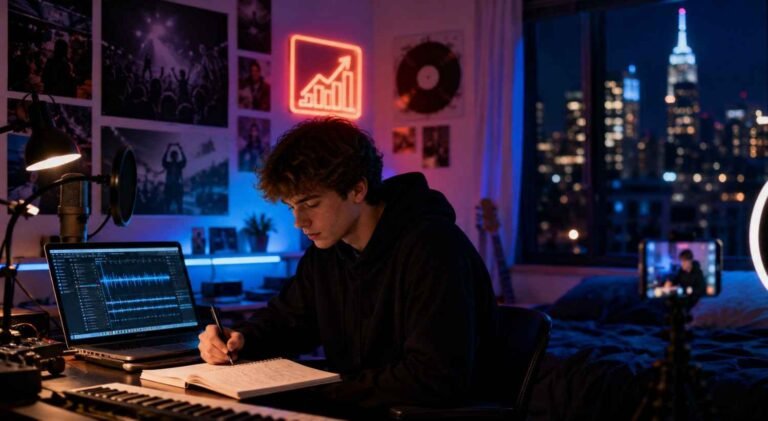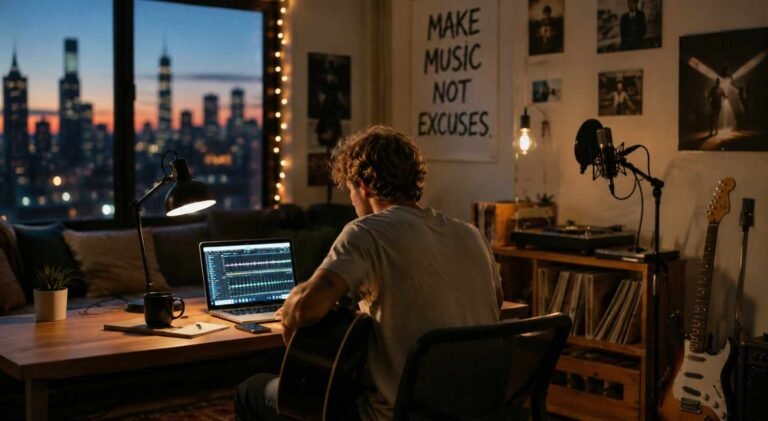



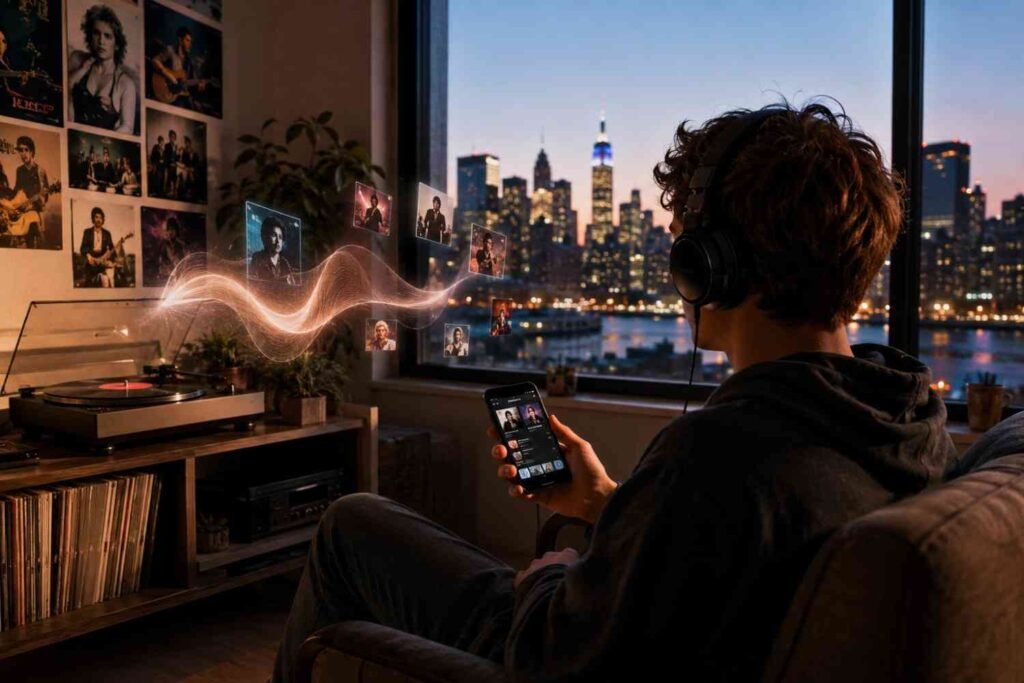

There was a time when listening to music meant buying a CD, borrowing an album from a friend, or waiting for your favorite song to play on the radio. The experience required patience, and every album felt like a complete story. Today, music is available in seconds, and discovering something new is as simple as opening a streaming app or scrolling through a social media feed.
That shift has transformed far more than technology. Evolving music culture has changed how artists create, how fans connect, and how listeners experience music every day. Playlists have replaced mixtapes, online communities have become modern fan clubs, and algorithms now influence what millions of people hear next. Even with these changes, one thing remains the same—music continues to bring people together in ways few other forms of entertainment can.
Why Music Culture Never Stands Still?
Music has always reflected the world around it. Every generation shapes its sound through new technology, cultural movements, and changing listening habits. What’s different today is the speed of change.
Streaming platforms, digital communication, and social media have made music discovery almost instant. A song released in the morning can become a global trend before the day ends. Instead of relying on radio stations or record stores, listeners explore personalized playlists, creator recommendations, and online music communities that introduce them to artists they may never have found otherwise.
Streaming Has Changed the Way Music Is Discovered
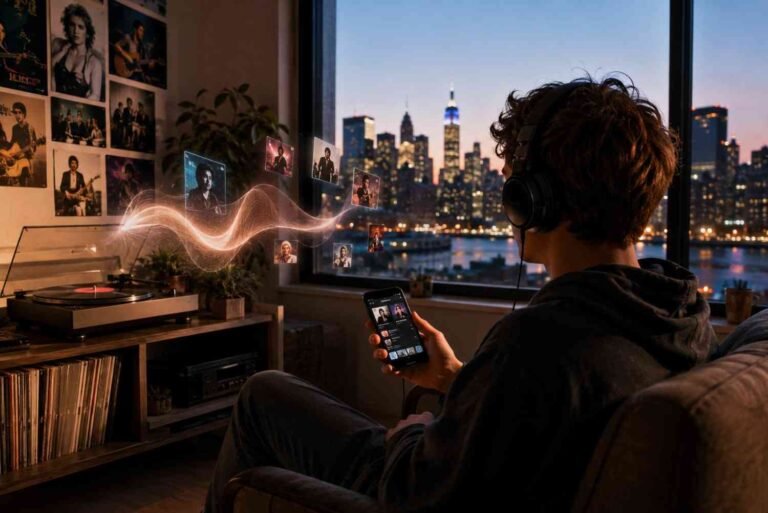
Music streaming has made listening more convenient than ever. Platforms recommend songs based on previous listening habits, favorite genres, and even the time of day. Weekly playlists and personalized recommendations have become a primary source of music discovery for millions of listeners.
This convenience has also influenced how songs are made. Because listeners can easily skip tracks, many artists now introduce memorable hooks, catchy choruses, or distinctive melodies much earlier than they once did. Popular songs have gradually become shorter, keeping listeners engaged from the very first seconds.
While algorithms play an important role, many people still enjoy finding music through friends, podcasts, live performances, and independent playlists that feel more personal than automated suggestions.
Social Media Has Turned Songs Into Shared Experiences
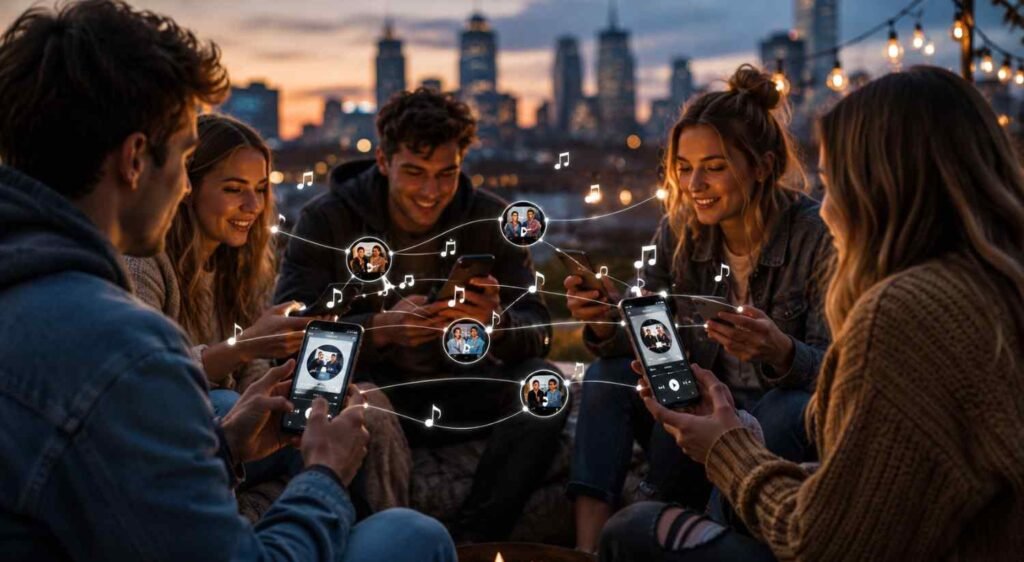
A decade ago, a hit song usually gained popularity through radio airplay or television. Today, a 30-second clip on a social platform can introduce an artist to millions overnight.
Short-form videos encourage people to use music in creative ways, whether through dance trends, storytelling, comedy, or lifestyle content. As a result, songs often become part of larger cultural moments rather than existing only as audio recordings.
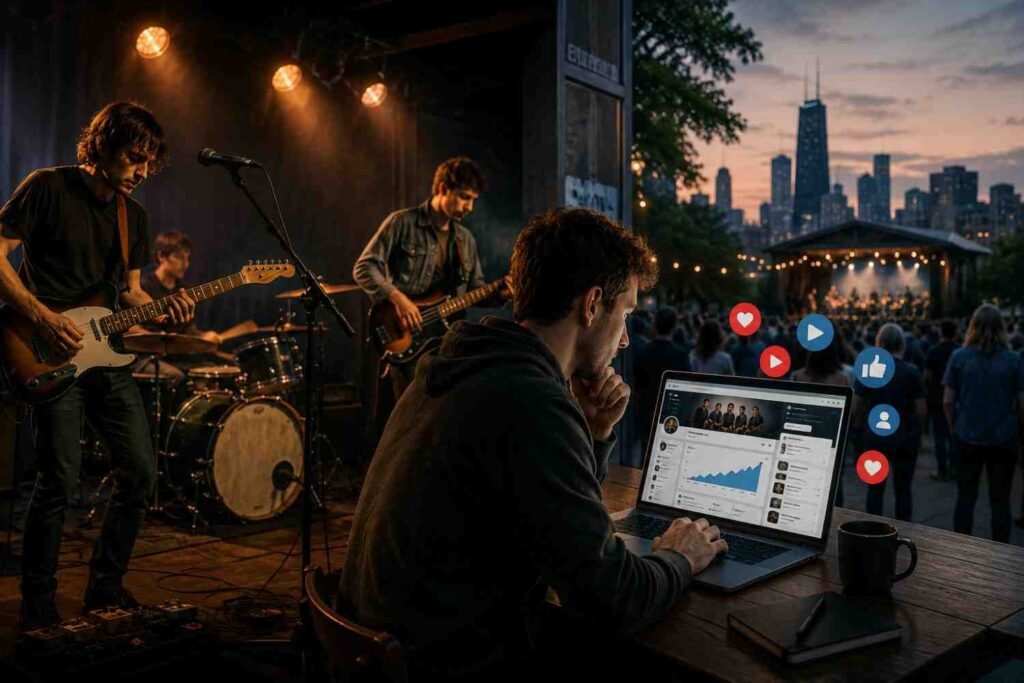
For artists, this creates exciting opportunities. Independent musicians can build loyal audiences without relying entirely on traditional record labels, while fans enjoy discovering fresh talent long before mainstream recognition arrives.
Listening Is Becoming More Intentional Again
Although streaming dominates modern music culture, many listeners are beginning to slow down.
Instead of treating music as background noise, people are creating playlists for focus, relaxation, exercise, commuting, or winding down after work. Music has become a tool for managing mood, improving concentration, and reducing everyday stress.
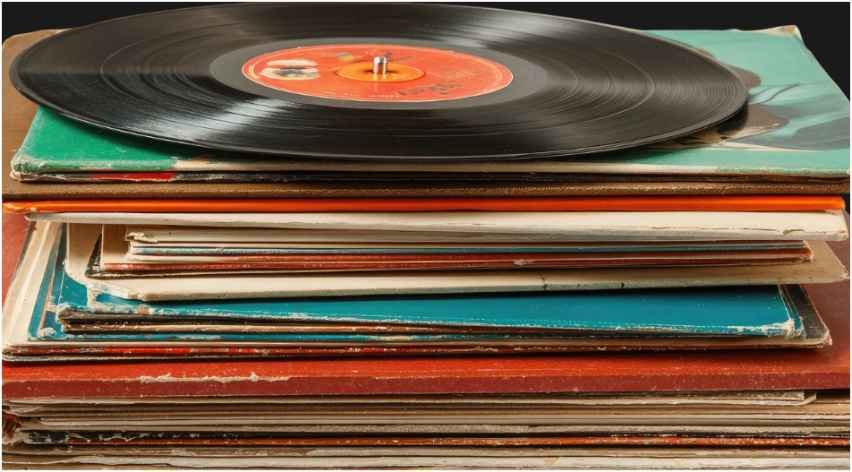
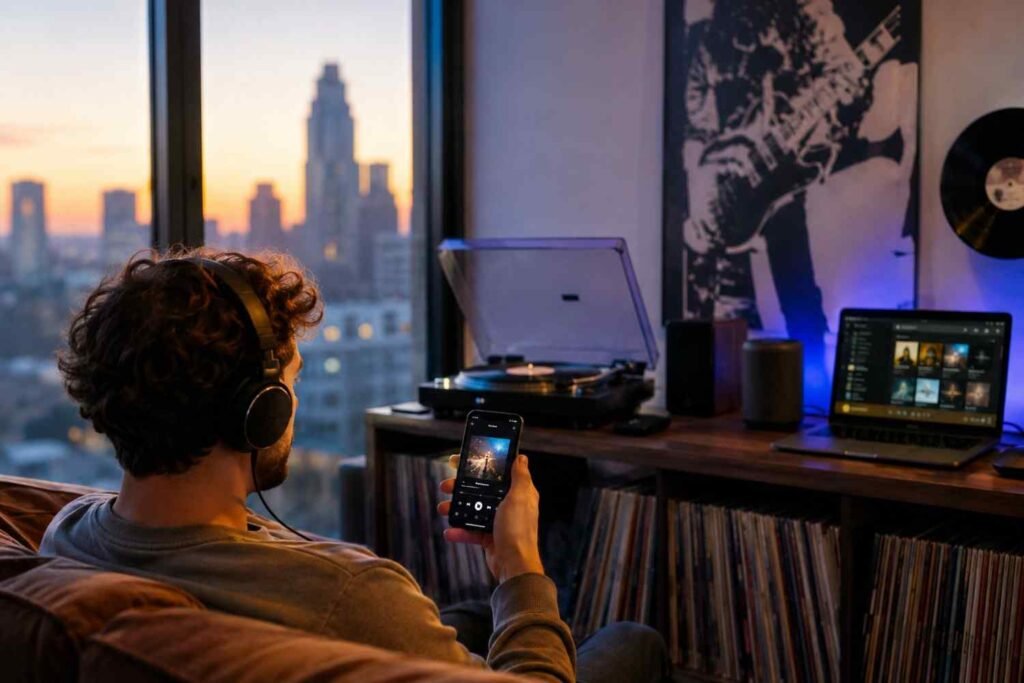
At the same time, vinyl records continue to attract new audiences. Collecting records, using vintage audio equipment, and listening to complete albums offer an experience that feels more immersive than endlessly skipping between tracks. For many music lovers, analog listening brings back a sense of connection that’s difficult to recreate through digital playlists alone.
Fans Are Building Communities Beyond Streaming Platforms
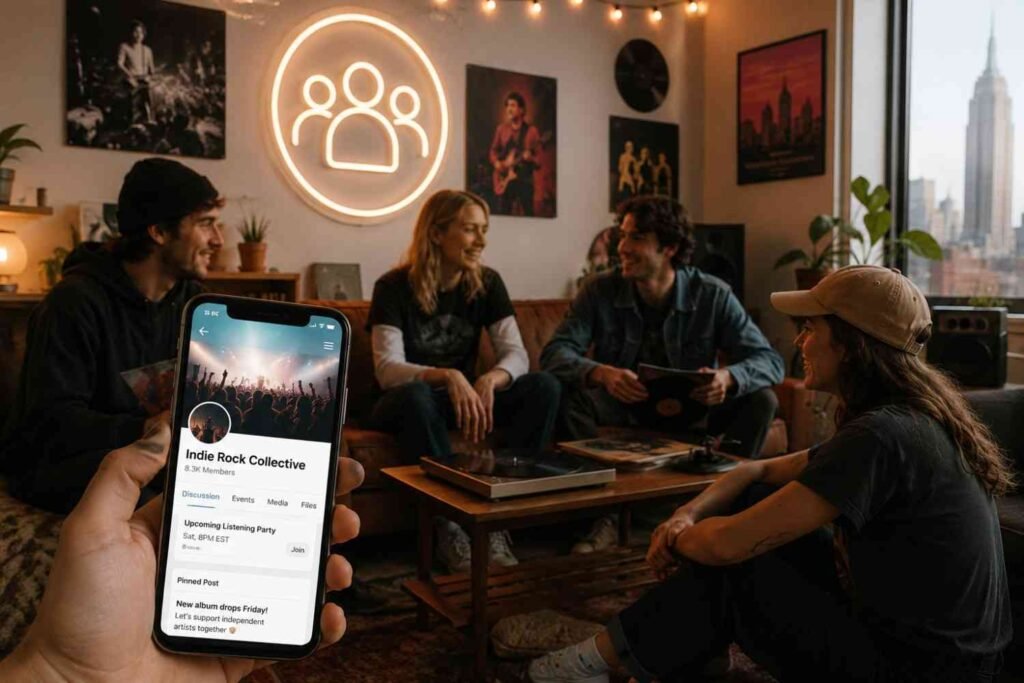
One of the biggest shifts in evolving music culture is how fans interact with artists.
Instead of following musicians only through interviews or concerts, fans now participate in dedicated online communities. Private forums, Discord servers, Patreon memberships, and exclusive livestreams allow artists to communicate directly with supporters throughout the year.
These spaces create stronger audience engagement because conversations extend beyond new releases. Fans discuss lyrics, share artwork, celebrate milestones, and support independent musicians in ways that weren’t possible just a few years ago.
AI Is Expanding Creativity, Not Replacing It
Artificial intelligence is becoming part of modern music production, but its role is more collaborative than competitive.
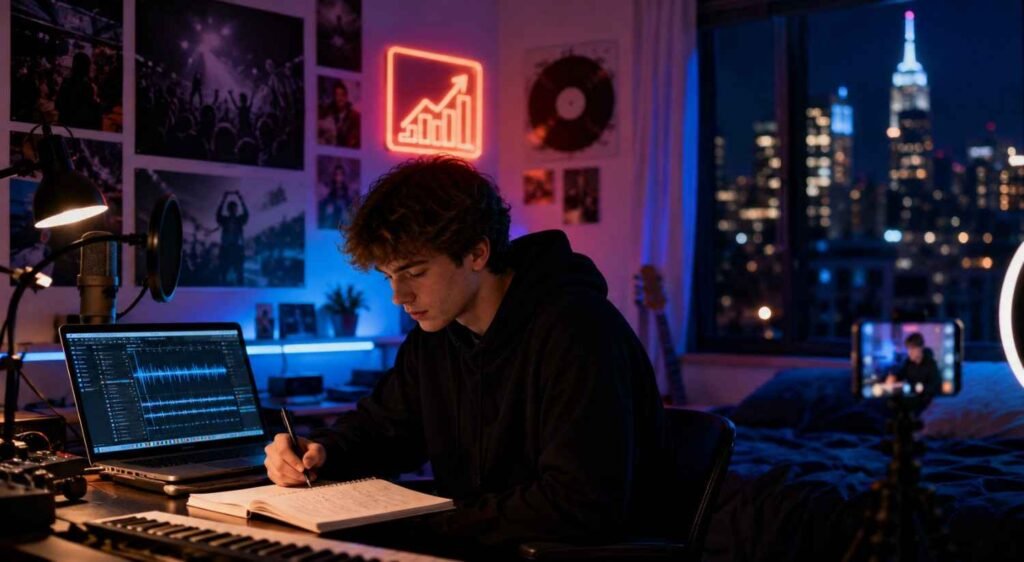
Many creators use AI tools to organize ideas, generate instrument variations, experiment with arrangements, or personalize listening experiences. Some listeners even create custom soundscapes for studying, relaxing, or sleeping.
Despite these advances, human creativity remains at the center of music. Emotion, storytelling, and lived experiences continue to shape the songs that resonate most deeply with audiences. Technology may assist the creative process, but genuine artistic expression still comes from people.
Global Sounds Are Reaching More Listeners Than Ever
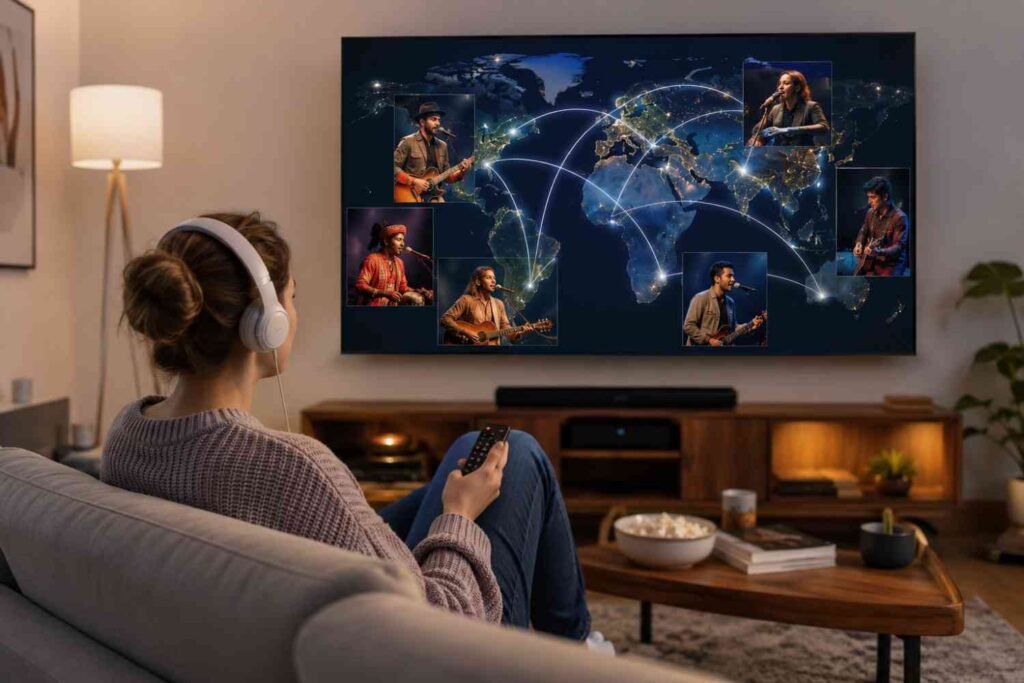
Music has become increasingly global. Language barriers matter less because streaming services and social platforms make it easy to discover artists from different cultures.
Genres that once stayed within regional audiences now regularly appear on international playlists. Listeners explore everything from Latin pop and Afrobeats to K-pop, indie folk, electronic music, and regional hip-hop without leaving their favorite streaming app.
This cultural exchange encourages collaboration between artists while giving listeners access to a broader range of sounds than any previous generation experienced.
FAQs: How Evolving Music Culture Is Changing the Way We Listen
1. How has evolving music culture changed listening habits?
Streaming, personalized playlists, and social media have made discovering music faster while encouraging listeners to explore more artists and genres.
2. Why are songs becoming shorter today?
Many artists introduce hooks earlier because streaming platforms reward songs that quickly capture listeners’ attention and reduce skips.
3. Is vinyl still popular despite music streaming?
Yes. Vinyl continues to grow because many listeners enjoy owning physical records and experiencing albums in a more immersive way.
4. What role does AI play in modern music culture?
AI helps with music creation, recommendations, and personalized listening, but artists still provide the creativity and emotion that define meaningful music.
Why Music Still Finds New Ways to Connect People
Technology will continue changing how music is discovered, shared, and created, but the heart of music culture remains surprisingly familiar. People still look for songs that match their emotions, tell meaningful stories, and create memories with others. Whether someone discovers an artist through an algorithm, a friend’s recommendation, or a vinyl record found in a local shop, the emotional connection stays the same.
As evolving music culture continues to grow, the way we listen may change—but the reasons we listen never really do.