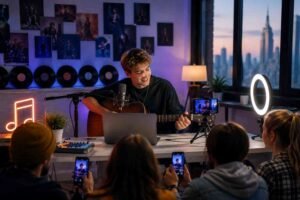




A city’s real soundtrack rarely begins in an arena. It starts in a basement, café, record store, warehouse, or back room where unfamiliar artists meet curious listeners. That is how independent music scenes shape local culture: small encounters become shared identity, local commerce, and community memory.
When I assess a music scene, I look beyond famous alumni and streaming totals. I ask where artists rehearse, who designs the flyers, which businesses stay open after shows, and who feels welcome. Those details reveal whether a scene merely produces music or actively shapes its city.
How Independent Music Scenes Shape Local Culture Through Venues
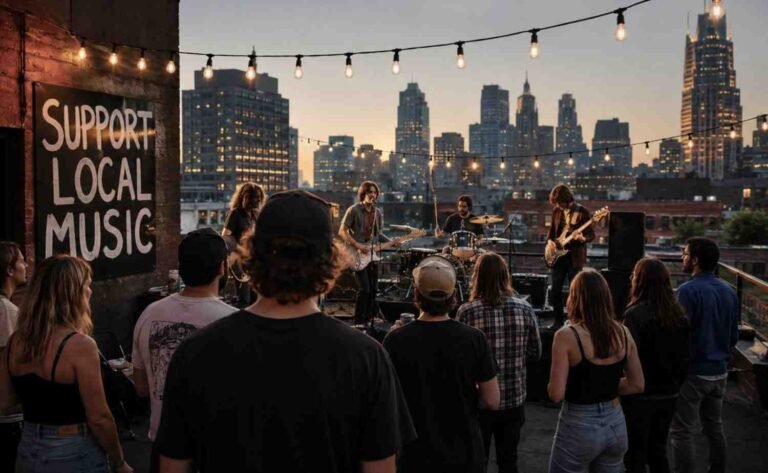
Independent scenes need physical places. A coffee shop stage, community center, all-ages room, or converted warehouse can become a neighborhood anchor.
The National Endowment for the Arts links creative placemaking with reusing underused buildings, supporting local businesses, developing cultural workers, and recirculating spending within communities. These spaces can also convert overlooked properties into active cultural destinations.
Small Rooms Create Repeat Encounters
Large concerts gather people for one night. Small venues create repetition. The same musicians, photographers, promoters, bartenders, and fans meet across many nights. Familiarity becomes trust, and trust makes collaboration easier.
Research on urban live music ecologies identifies social capital, public engagement, identity, creativity, cultural vibrancy, and talent development as core values. That framework explains how independent music scenes shape local culture even when ticket sales remain modest.
A 100-person room may never attract national press. Yet it can introduce a singer to a producer, a photographer to a promoter, or a teenager to their first supportive audience. Those connections often matter more than one viral performance.
Grassroots Spaces Change Neighborhood Rhythms
A quiet block can become active after dark when a venue brings regular foot traffic. Nearby restaurants, bars, bookstores, and transit stops gain customers. Posters, murals, record shops, and street fashion may also give the area a distinct visual language.
Success creates a serious risk, however. Rising property values can remove the artists and venues that made a district attractive. The NEA identifies displacement and gentrification among the challenges that creative placemaking projects must address.
Healthy scenes therefore need affordable rooms, workable sound rules, safe late-night transportation, and development policies that protect cultural spaces.
How Independent Music Scenes Shape Local Culture Through DIY Networks
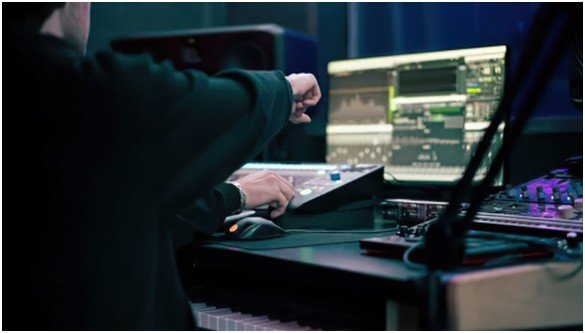
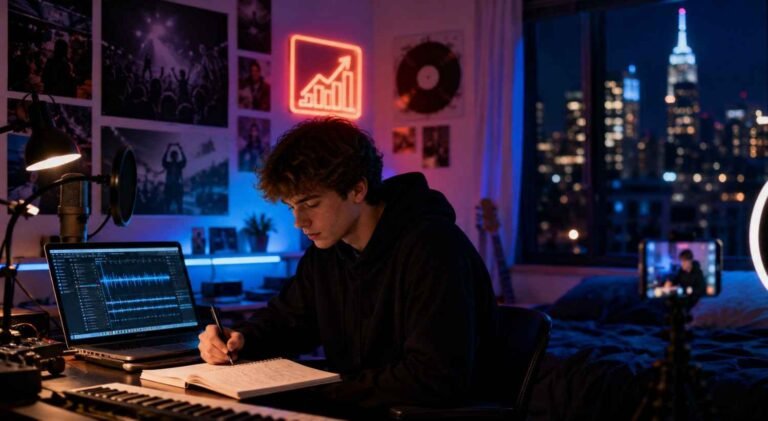
The DIY ethos is more than recording cheaply. It is a way of organizing labor. Artists book rooms, publish music, share equipment, manage merchandise, and promote one another without waiting for major-label approval.
This structure encourages experimentation because creators can test unusual sounds before commercial gatekeepers demand proven results.
The Scene Creates Work Beyond the Stage
A show can involve sound engineers, photographers, screen printers, videographers, designers, security staff, food vendors, independent journalists, and record sellers.
The latest arts-and-culture account displayed by the U.S. Bureau of Economic Analysis valued national arts and cultural activity at $1.17 trillion in 2023. Independent music represents only a small part of that figure, but the total confirms that cultural activity also produces measurable economic value.
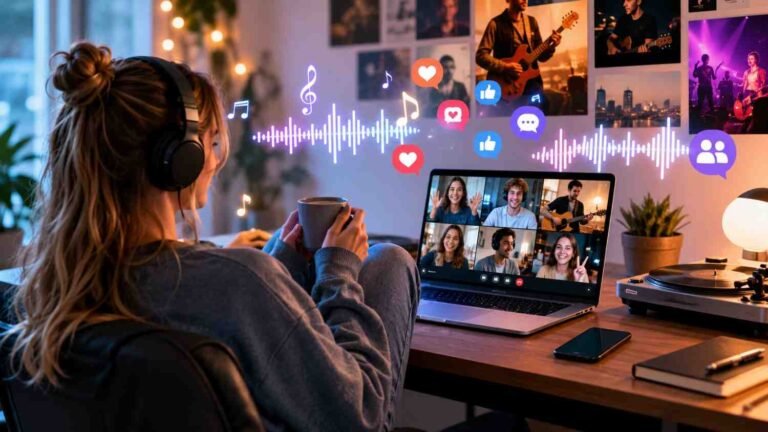
Direct-to-fan platforms extend these networks online. Bandcamp describes itself as a music community built around direct artist support. The company reports that fans have paid artists more than $1.76 billion through its platform.
Digital tools help a neighborhood artist reach international listeners without removing the local references that make the music distinctive.
My Local Culture Flywheel
Consider a hypothetical 120-person show. At $15 per ticket, the room generates $1,800. If 60 guests spend another $18 at nearby businesses, that adds $1,080 locally.
The evening has moved at least $2,880 before merchandise, transportation, production payments, or post-show purchases.
The deeper effect follows four connected stages. A venue gathers people. Their spending supports local workers. Repeated contact creates collaboration. That collaboration produces songs, images, businesses, and stories associated with the neighborhood.
I call this the local culture flywheel. It demonstrates how independent music scenes shape local culture through continuous circulation rather than one spectacular breakthrough.
Regional Sounds Make a Place Audible
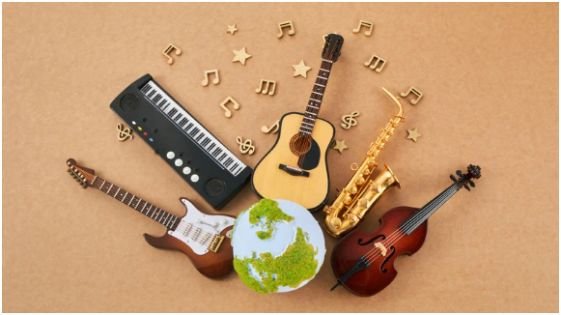
Independent artists can afford to sound specific. They may reference local streets, housing costs, migration stories, regional slang, church traditions, folk instruments, or club rhythms.
A producer might combine Appalachian textures with electronic beats. A rapper may document a changing Southern neighborhood. A punk band can turn a city council dispute into a chorus.
The scene becomes an informal archive rather than a polished tourism slogan.
This specificity explains how independent music scenes shape local culture across generations. Artists preserve regional memory while changing its form for new listeners. Local traditions remain active instead of becoming museum pieces.
A city cannot manufacture that identity through branding alone. It needs affordable rehearsal spaces, patient audiences, independent media, knowledgeable promoters, and artists who can take creative risks.
Local Music Builds Belonging and Civic Participation
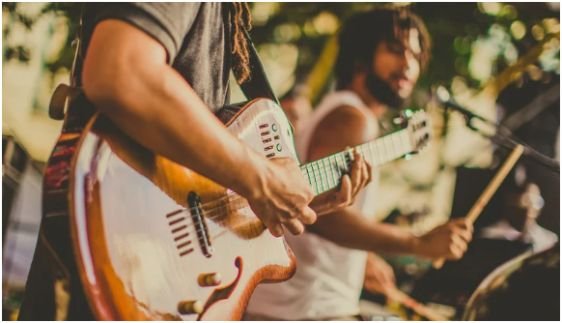
At their best, independent scenes give people a place to participate rather than merely consume. Fans volunteer at festivals, run zines, host radio programs, organize benefit shows, or learn production skills from peers.
A recent National Endowment for the Arts research review reports that 77 percent of American adults attending visual or performing arts events cited socializing as a primary motivation. Another 66 percent mentioned supporting a community organization or event. The review also connects arts participation with social ties, volunteering, donations, and civic activity.
These patterns clarify how independent music scenes shape local culture at a human level. They create recurring reasons to leave home, meet across social circles, and contribute to a shared project.
A benefit concert can raise money, but it also introduces attendees to organizers and neighborhood causes. That relationship may continue after the amplifiers have been switched off.
Festivals and Digital Discovery Build City Identity
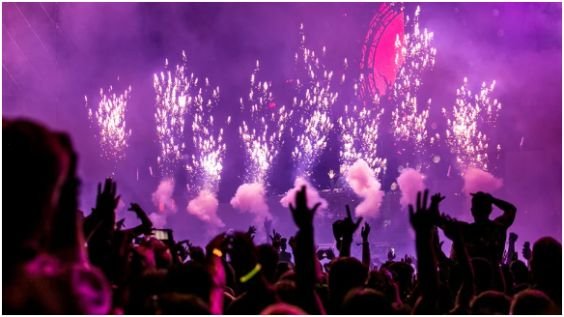
When a scene matures, festivals can introduce visitors to local artists, venues, restaurants, and neighborhoods. The strongest events treat the city as a participant rather than a blank backdrop.
Visitors remember the walk between venues, the independent record store, the late-night restaurant, and the opening act they had never heard before. Those details turn a music trip into a cultural experience.
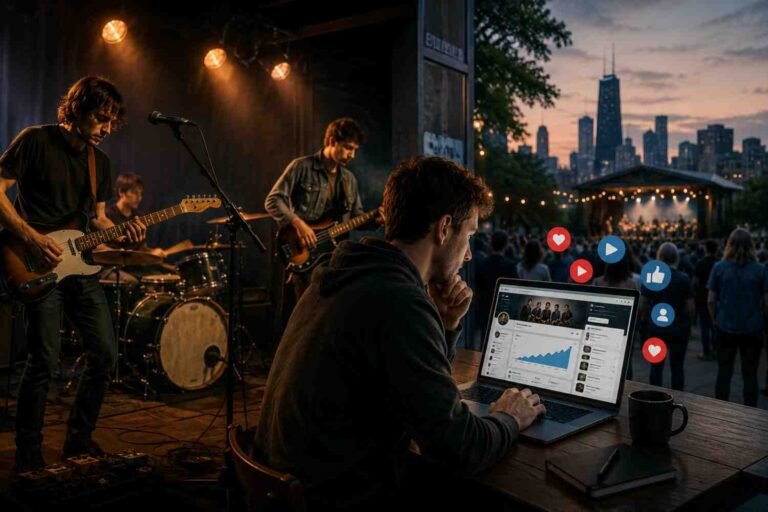
Digital discovery then extends that reputation. A playlist, live session, community radio archive, or local label page may introduce distant listeners to a place-based sound.
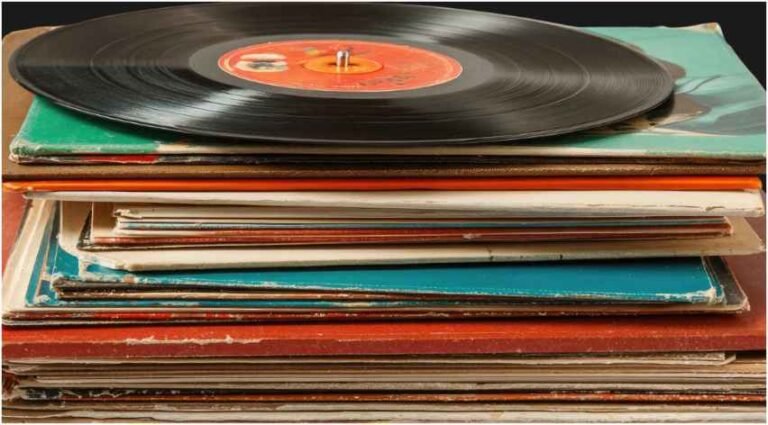
Even a review of a Super deluxe edition album can direct readers toward local record shops, reissue labels, archivists, and collectors preserving regional music history.
That relationship shows how independent music scenes shape local culture beyond city limits. Online reach works best when it amplifies an existing community instead of replacing one.
Independent Does Not Automatically Mean Inclusive
Indie communities often describe themselves as open, but low budgets can conceal unequal access. Unpaid work favors people with spare time. Basement venues may exclude disabled fans. Informal booking circles can reproduce racial or gender bias.
Austin’s Music Commission has documented disparities involving representation, professional networks, venue ownership, mentorship, booking opportunities, and access to music-industry careers. Its recommendations include paid training, broader talent networks, equity standards, and stronger support for underrepresented genres.
Therefore, how independent music scenes shape local culture depends on who controls the stage, door, budget, and microphone.
Progressive values require practical choices. Venues need accessible entrances, transparent pay, safer-show policies, broad booking networks, and genuine pathways for younger artists.
A scene cannot claim cultural freedom while making participation needlessly difficult.
Keep the Room Loud, Not Just the Playlist
Local culture does not survive through nostalgia alone. It survives when people buy tickets, purchase music, attend opening sets, share local releases, and defend affordable cultural spaces.
My clearest takeaway is simple: support the infrastructure, not only the artist who escapes it. That is how independent music scenes shape local culture for the long term.
Choose one small venue, local label, community radio program, or independent festival this month. Show up more than once. Becoming a regular participant does more for a scene than passively saving another playlist.
Frequently Asked Questions
1. How do independent music scenes influence a city’s identity?
They connect local sounds, venues, stories, fashion, and social rituals with a recognizable sense of place.
2. Why are small music venues important to local culture?
Small venues develop talent, create repeat social contact, support nearby businesses, and give neighborhoods cultural landmarks.
3. How do DIY music communities support local economies?
They distribute spending among artists, venues, technicians, designers, vendors, media workers, and nearby businesses.
4. How independent music scenes shape local culture over time?
They preserve local stories, develop new talent, establish community rituals, and keep regional identity evolving.