


Music has always brought people together, but the way those connections happen has changed dramatically. Not long ago, fans discovered new artists through radio stations, local record stores, or conversations with friends. Today, nearly every song is just a tap away. While that convenience has transformed listening habits, it has also made the experience surprisingly personal—and sometimes, surprisingly lonely.
That shift helps explain why music communities are growing online faster than ever. Streaming platforms make discovering music easier, but they rarely create meaningful conversations around it. Fans now want places where they can discuss lyrics, celebrate new releases, recommend hidden gems, and connect with people who understand their taste. Those shared experiences are becoming just as valuable as the music itself.
Music Has Become More Than Just Something We Listen To
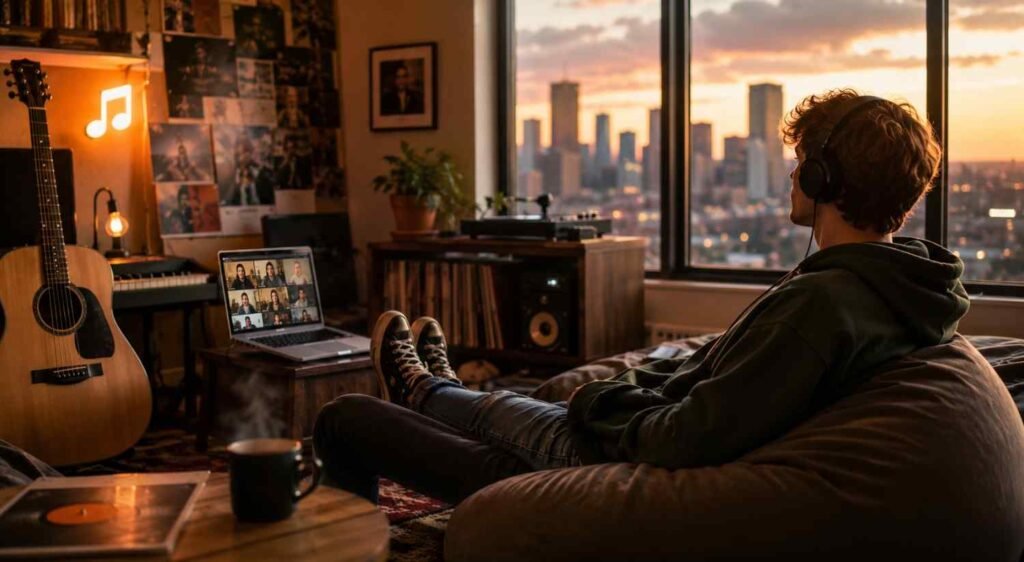
Streaming has changed how people consume music. Personalized playlists, algorithm-driven recommendations, and endless libraries mean listeners rarely struggle to find something new. Yet those same features encourage passive listening. Music often plays in the background while people work, exercise, or commute, leaving little room for discussion or discovery beyond what an algorithm recommends.
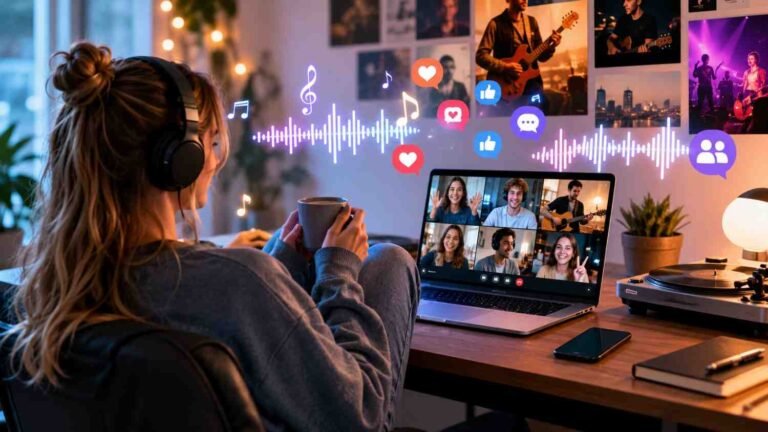
Online communities fill that gap by turning listening into participation. Fans aren’t simply pressing play—they’re sharing opinions, debating albums, decoding lyrics, and celebrating artists together. That interaction creates a stronger emotional connection than streaming alone ever could.
Fans Want a Place Where They Belong
Music has always been tied to identity. The artists people follow, the concerts they attend, and even the playlists they create often reflect their personalities. Online communities give fans a space where those identities are understood and shared.
Instead of scrolling through broad social feeds, listeners are joining dedicated groups centered on genres, artists, or local music scenes. Whether it’s a Discord server for an independent band or a Reddit community discussing underground hip-hop, these spaces encourage deeper conversations that feel more authentic than typical social media interactions.
This sense of belonging is one of the biggest reasons why music communities are growing online across every generation.
Digital Fandom Is Becoming More Interactive
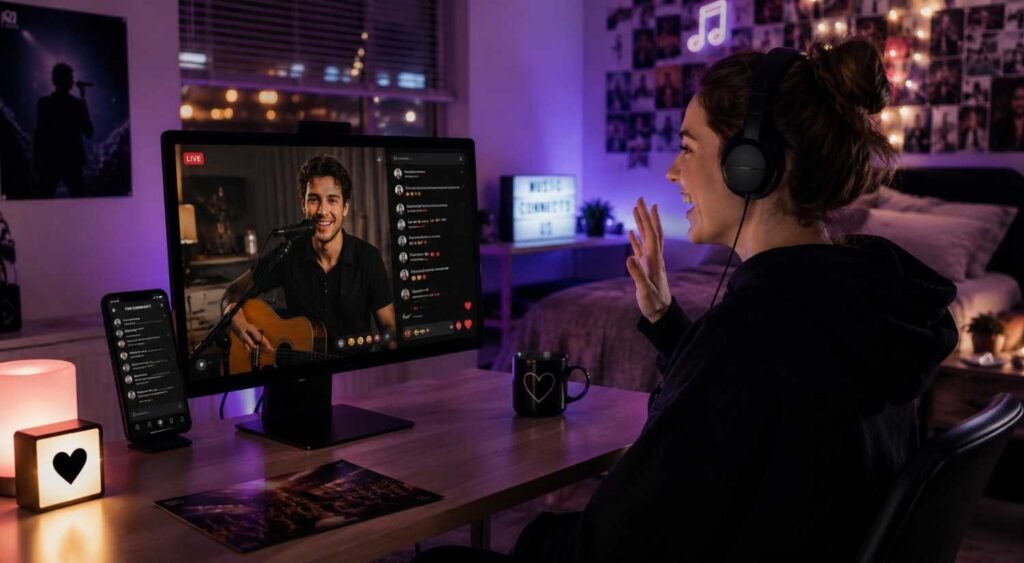
Modern fans don’t want to watch from the sidelines. They want to contribute.
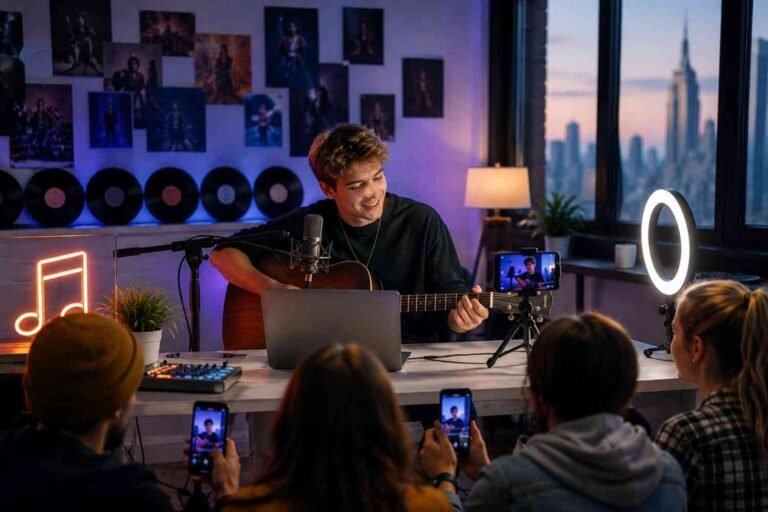
Many communities organize listening parties, build artist timelines, maintain fan wikis, share concert experiences, and create detailed discussions about new releases. Others produce playlists, cover songs, fan art, and video edits that keep conversations alive long after an album drops.
This creator-first mindset reflects today’s evolving music culture, where audiences actively shape the conversation instead of simply consuming content.
Niche Genres Finally Have Room to Thrive
Before digital platforms, discovering niche music often depended on luck. Fans of underground jazz, experimental electronic music, regional folk traditions, or independent punk had limited ways to find one another.
Today, those listeners can gather regardless of location. Online forums, Discord communities, and specialized social platforms make it easier for niche artists to reach audiences who genuinely appreciate their work. Instead of competing with mainstream trends, smaller genres are building loyal communities that support artists over the long term.
That loyalty often matters more than millions of casual streams.
Artists and Fans Are Closer Than Ever
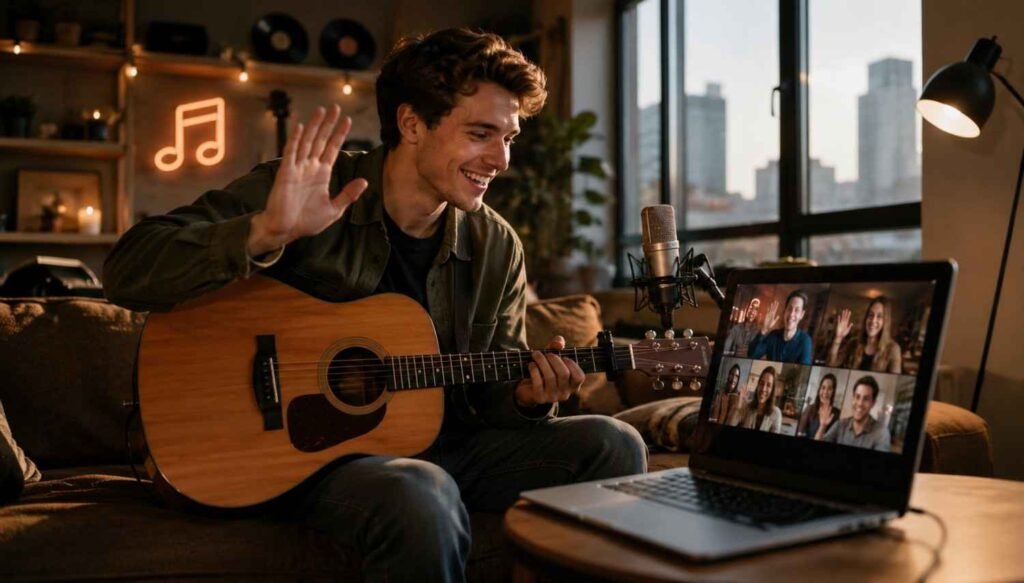
The relationship between musicians and listeners has changed dramatically over the past decade. Artists no longer rely entirely on record labels or traditional media to communicate with audiences. Social platforms, livestreams, and private community spaces allow conversations to happen directly.
Fans now receive behind-the-scenes updates, early demos, tour announcements, and personal stories without waiting for official campaigns. In return, artists gain immediate feedback while building trust with the people who support their work.
That two-way relationship strengthens communities because fans feel like participants rather than spectators.
Human Recommendations Still Matter
Algorithms are excellent at spotting listening patterns, but they can’t explain why a song matters. That’s where online communities make a difference. A recommendation from another fan often comes with a story, an emotion, or a memory that creates a stronger connection than an automated playlist ever could.
These conversations introduce listeners to overlooked artists, forgotten albums, and regional music scenes that rarely appear on mainstream charts. As a result, music discovery feels more personal and rewarding.
Online Communities Often Lead to Real-World Connections
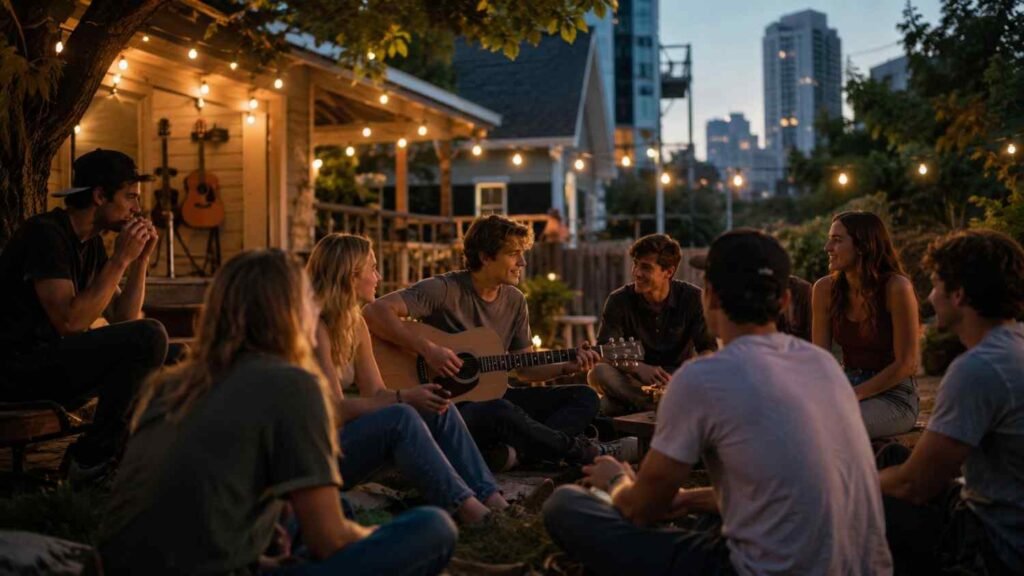
Digital fandom doesn’t always stay online. Many friendships that begin in music communities eventually lead to concert meetups, record fairs, local listening events, or collaborative creative projects.
People who might never have crossed paths offline find common ground through shared playlists, favorite bands, or late-night album discussions. Those relationships strengthen local music scenes while reminding fans that music is still one of the easiest ways to connect with others.
Why This Shift Is Reshaping Music Culture
The growth of online music communities isn’t simply another internet trend. It reflects a broader change in how people experience music. Listening is no longer just about pressing play; it’s about sharing discoveries, exchanging opinions, and becoming part of something larger than an individual playlist.
As digital platforms continue to evolve, the strongest communities will likely be those that encourage genuine conversations instead of endless scrolling. Fans are looking for spaces where curiosity, creativity, and shared passion matter more than viral moments, and that’s changing the future of digital fandom one conversation at a time.
FAQs: Why Music Communities Are Growing Online in the Age of Digital Fandom
1. Why are online music communities becoming so popular?
They offer meaningful conversations, shared experiences, and a sense of belonging that traditional streaming platforms often lack.
2. Which platforms are most popular for music communities?
Discord, Reddit, YouTube, artist forums, and genre-focused groups remain popular because they encourage discussion instead of passive scrolling.
3. How do online communities help independent artists?
They create loyal audiences through direct interaction, word-of-mouth recommendations, and fan-generated content that extends an artist’s reach.
4. Will online music communities continue growing?
Yes. As fans seek deeper connections beyond algorithms, community-driven spaces are expected to become an even bigger part of how people discover and experience music.
Where the Strongest Fan Connections Are Being Built
Music has never been only about sound. It’s about finding people who understand why a song matters, celebrating new discoveries together, and feeling connected through shared experiences. The rapid growth of online communities proves that listeners still crave those moments, even in an era dominated by streaming algorithms.
Technology may introduce the music, but communities give it meaning.