





There’s something exciting about discovering a music group before everyone else does. Maybe it starts with a song that unexpectedly lands on a playlist, a live performance that spreads across social media, or a recommendation from a friend who insists, “You have to hear these people.” However it happens, those moments often feel more personal than following an artist who has already reached global fame.
That shift says a lot about how people experience music today. Listeners aren’t just searching for polished vocals or catchy hooks anymore. They’re drawn to stories, personalities, and creative risks that make artists feel real. The latest wave of breakthrough music groups reflects that change, proving that originality and meaningful connections often matter more than following industry formulas.
What Defines Breakthrough Music Groups Today
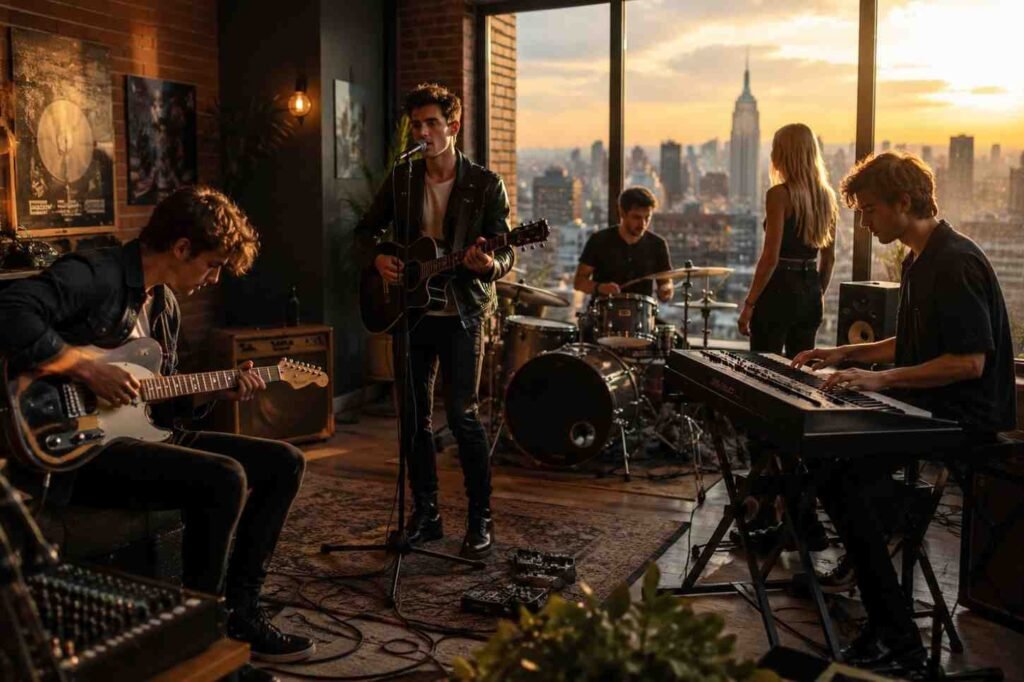
Success looks very different than it did even a few years ago. Album sales remain important, but streaming platforms, fan engagement, live performances, and digital communication now shape how audiences discover new talent.
Modern listeners also have more choices than ever. Instead of relying on radio stations or major record labels, they explore playlists, creator recommendations, festival lineups, and social platforms to find fresh music. That has opened the door for emerging music groups with distinctive identities to compete alongside established acts.
The groups making the biggest impact usually share one thing in common: they offer an experience that feels memorable beyond a single song.
Authentic Stories Leave a Lasting Impression
People connect with honesty.
Many rising music bands are finding audiences because they’re willing to write about uncertainty, relationships, grief, identity, or personal growth without trying to smooth every rough edge. Those experiences create emotional connections that polished production alone can’t replace.
Singer-songwriter Gigi Perez is one example of this shift. Her deeply personal songwriting has resonated with listeners looking for vulnerability rather than perfection. Malcolm Todd has also built momentum by pairing upbeat indie melodies with lyrics that openly explore anxiety and modern relationships, creating songs that feel both energetic and deeply relatable.
Instead of chasing trends, these artists focus on telling stories that sound unmistakably their own.
Standing Out Means Sounding Different
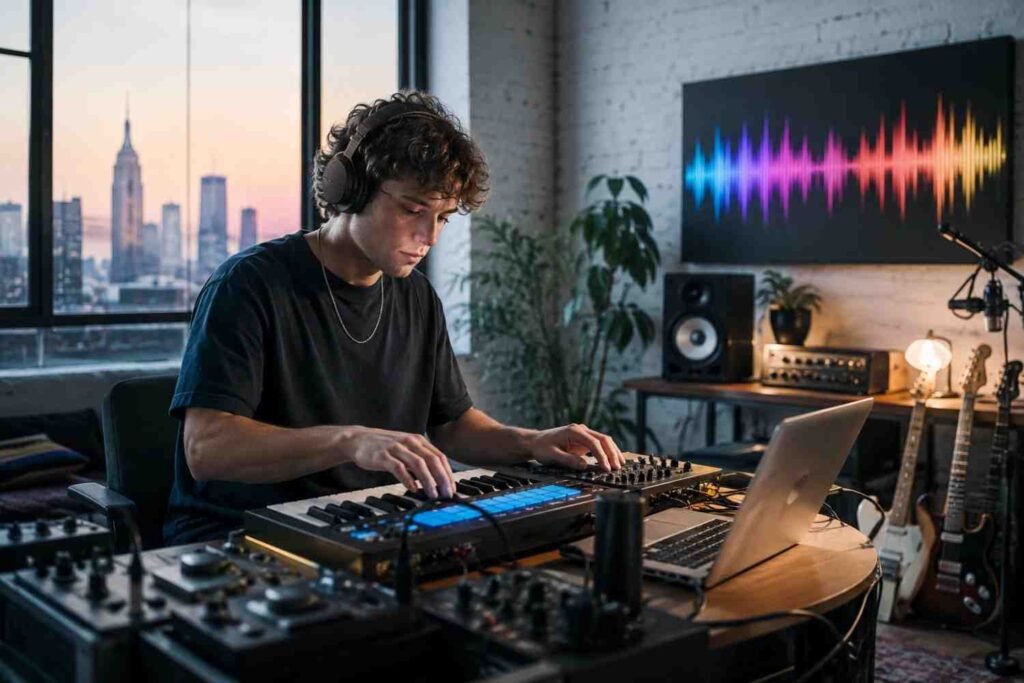
Genre boundaries continue to fade, giving new music groups more freedom to experiment.
Country influences blend with pop production. Indie guitars meet electronic textures. Funk, rock, jazz, and progressive elements coexist within the same project. Rather than confusing audiences, these combinations often make artists easier to remember.
Ella Langley’s rise illustrates how audiences have embraced country-pop crossovers that feel authentic instead of manufactured. Meanwhile, the anonymous duo Angine de Poitrine has attracted attention by combining microtonal funk-rock with theatrical visuals that challenge expectations of what a modern band can look and sound like.
Creative freedom has become one of the biggest competitive advantages in today’s music industry trends.
Visual Identity Matters Almost as Much as the Music
Listeners often discover artists before hearing an entire album.
A memorable album cover, distinctive stage design, thoughtful music videos, or recognizable fashion can spark curiosity long before someone presses play. Strong visual branding helps transform casual listeners into loyal fans because it gives every release a consistent personality.
This idea extends beyond music as well. Contemporary artists like Eunjo Lee use digital tools to create immersive works inspired by ecological systems, while Diambe combines organic materials with bronze to challenge traditional ideas about landscape and nature. Small White Monster has built an engaged audience through cinematic paintings that encourage viewers to return for each new release.
Although these creators work in different mediums, they demonstrate the same principle: people remember experiences that feel complete, not fragmented.
Community Is Becoming More Valuable Than Viral Fame
Going viral can introduce an artist to millions of people.
Keeping those listeners engaged is much harder.
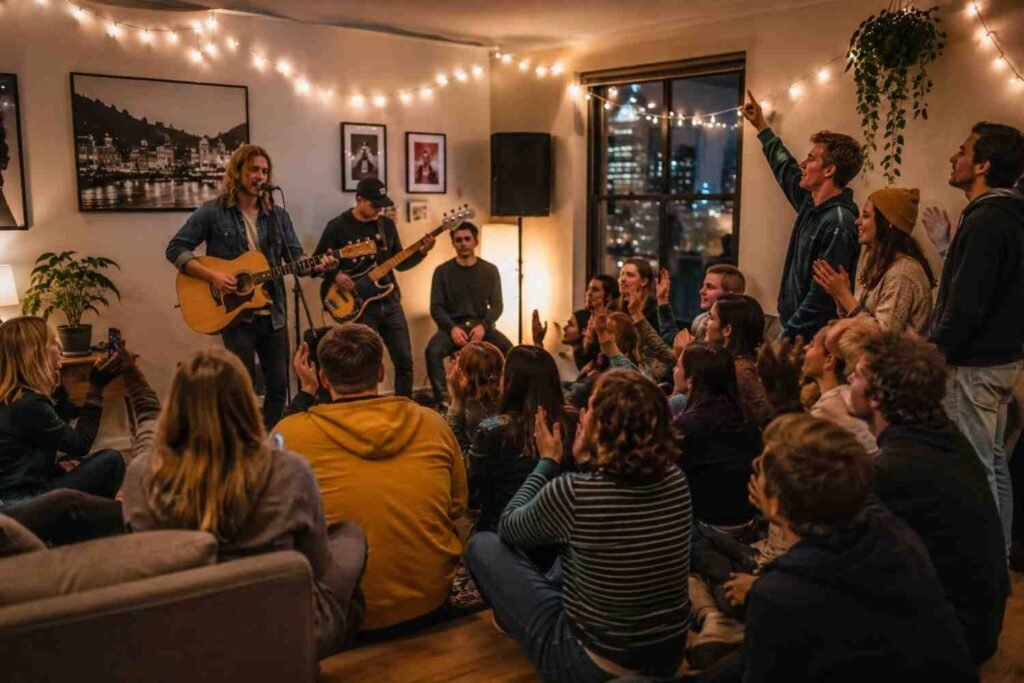
Successful music groups invest time in building genuine relationships through live performances, behind-the-scenes content, newsletters, fan conversations, and consistent releases. Those efforts create listener loyalty that survives well beyond a single trending moment.
Streaming platforms reward repeat listening, but audiences reward authenticity. When fans feel connected to an artist’s journey, they’re far more likely to attend concerts, support merchandise, and recommend the music to others.
That kind of community becomes a stronger foundation than temporary online attention.
Consistency Still Wins in the Long Run
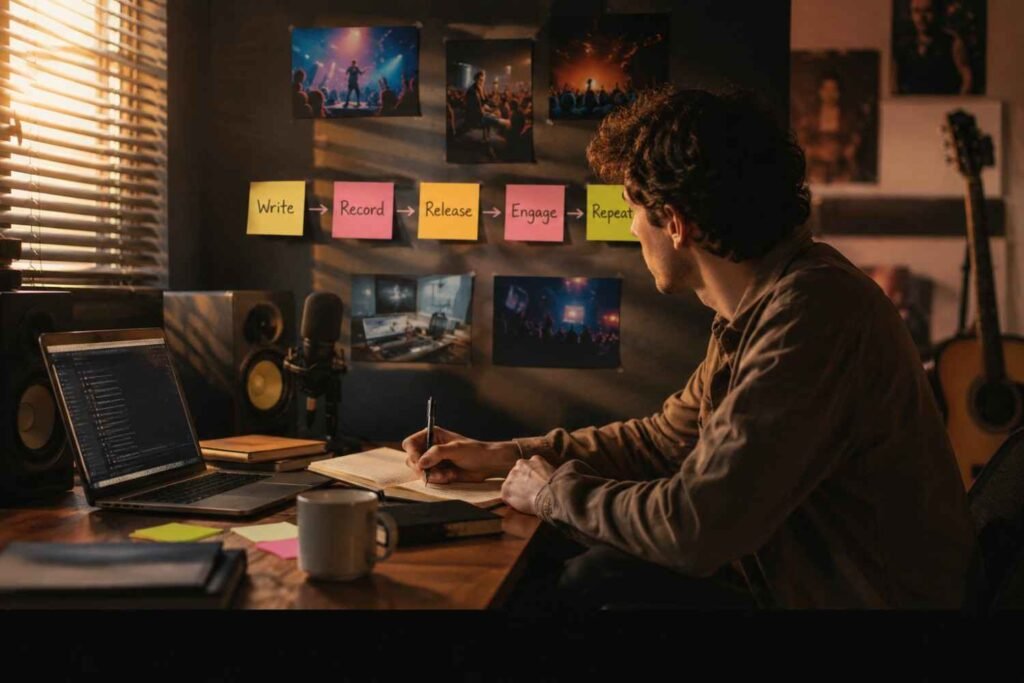
Every year produces dozens of overnight success stories.
Only a handful continue growing because they consistently deliver meaningful work.
Breakthrough music groups often spend years refining their sound before wider audiences notice them. They release music regularly, improve their live performances, collaborate thoughtfully, and adapt without abandoning the identity that attracted fans in the first place.
The same pattern appears across today’s creative industries. Whether someone creates music, visual art, or digital content, sustainable careers usually belong to creators who keep showing up with purpose rather than chasing every trend.
As listeners continue discovering artists gaining popularity in 2026, many of the names earning long-term attention are the ones building trust with audiences instead of simply collecting streams.
Frequently Asked Questions: What Makes Breakthrough Music Groups Stand Out Today
1. What is considered a breakthrough music group?
A breakthrough music group is an emerging band or musical act that experiences significant audience growth through memorable music, strong fan engagement, successful live performances, or increased visibility across streaming and digital platforms
2. Why are independent music groups becoming more successful?
Independent artists have greater access to digital music distribution, social media, and streaming platforms, allowing them to build audiences directly without relying entirely on traditional record labels.
3. How important is social media for new music groups?
Social media plays an important role in music discovery, helping artists share performances, interact with fans, and reach new audiences. However, lasting success usually depends on consistent releases, authentic storytelling, and strong live performances.
4. Can visual branding really influence a music group’s success?
Yes. Consistent visual identity helps audiences recognize an artist across platforms, strengthens brand recognition, and creates a memorable experience that complements the music itself.
Why Authentic Creativity Continues to Win
Music has never been more accessible, but standing out has never been more challenging. The artists making lasting impressions aren’t simply producing catchy songs. They’re creating recognizable worlds that audiences genuinely want to revisit. Whether through fearless songwriting, genre fusion, compelling visuals, or meaningful fan relationships, today’s breakthrough music groups remind us that originality still matters. Technology may influence how music is discovered, but genuine creativity remains the reason listeners stay.
The groups people remember tomorrow are often the ones brave enough to sound different today.