
A hit no longer needs a radio programmer’s approval before reaching millions of listeners. A memorable chorus, relatable lyric, or unexpected dance can now carry a song from a bedroom studio to global feeds overnight. The influence of social media on modern music culture has made music discovery faster, more visual, and far more participatory.
When I examine how modern releases gain attention, one change stands above the rest: people no longer encounter music only as finished art. They meet it as a sound attached to jokes, fashion videos, personal stories, edits, dances, and online identities.
That shift gives independent artists unprecedented access. It also places their careers inside recommendation systems they cannot fully control.
Social Media Replaced One Music Gatekeeper With Another
Record labels, radio programmers, music television, and print critics once controlled most paths to mainstream attention. Social platforms weakened that structure by allowing musicians to publish directly.
However, social media did not eliminate gatekeeping. It replaced human gatekeepers with algorithmic ones.
Independent Artists Can Reach Listeners Directly
An unsigned artist can upload a song preview without securing radio promotion, press coverage, or a major-label marketing budget. TikTok, Instagram Reels, and YouTube Shorts can distribute that preview beyond the artist’s existing followers.
A TikTok-commissioned report produced with Luminate found that 84% of songs entering the Billboard Global 200 during 2024 experienced a period of TikTok virality first. It also reported more than one billion track saves through TikTok’s Add to Music App feature. These figures show how social discovery can move listeners toward streaming platforms.
Still, visibility is not evenly distributed. Artists must produce content that generates watch time, reactions, shares, saves, and repeat views. The opportunity is open, but the attention remains highly competitive.
Algorithms Now Decide What Receives Attention
Traditional charts showed audiences what was already popular. Recommendation feeds can create popularity by repeatedly exposing a sound to carefully selected users.
This makes music discovery more personal. A listener interested in bedroom pop, underground hip-hop, shoegaze, regional Mexican music, or experimental electronic music can quickly enter a specialized digital community.
Yet algorithmic discovery may also narrow listening habits. Research into TikTok personalization found that follows, likes, language, location, and viewing behavior can all influence recommendations. The same system that uncovers a niche artist can keep listeners inside a predictable cultural bubble.
Short-Form Video Is Changing How Songs Are Written
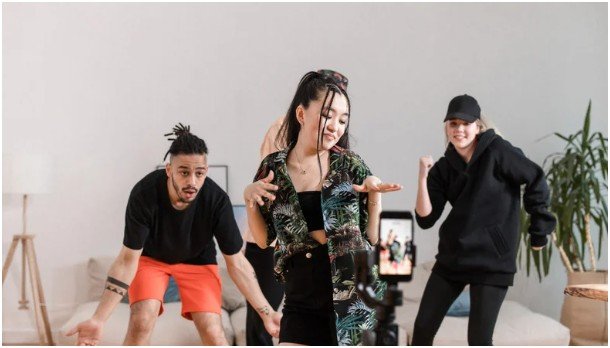
One of the clearest examples of the influence of social media on modern music culture appears inside the music itself. Artists now consider how a track will function as both a complete song and reusable video material.
The Hook Must Also Work as Visual Content
A strong chorus has always mattered. Short-form platforms have increased the value of hooks that arrive quickly and communicate an idea without the rest of the song.
Berklee College of Music has documented how some songwriters lead with choruses, simplify structures, or communicate a three-minute concept within a short preview. Its songwriting faculty also stresses that viral success still depends on curiosity, storytelling, and repeatable appeal.
The crucial change is not simply that songs are getting shorter. The hook now needs a visual function. It may need to support a transformation video, punchline, dance, dramatic reveal, outfit change, or emotional point-of-view clip.
That pressure can encourage sharp songwriting. It can also make releases feel engineered around one extract rather than a complete listening experience.
Multiple Versions Keep One Song Circulating
Sped-up, slowed, acoustic, instrumental, and remix versions let one recording serve several online subcultures. A fast version might support energetic edits, while a slowed version fits reflective or cinematic content.
Platforms have built formal tools around this behavior. YouTube allows eligible labels and distributors to deliver preview snippets to its Shorts music library before a full release. Shorts using the preview can later redirect listeners to the complete track.
This structure turns the release campaign into an evolving content system rather than a single launch date.
Fans No Longer Just Consume Music
Earlier fan culture centered on listening, buying records, attending concerts, and discussing artists. Those behaviors still matter, but social media adds public participation.
Fans now help package, interpret, and distribute songs.
User-Generated Content Gives Songs New Meanings
A musician may release a love song, only for users to transform it into a friendship anthem or breakup meme. Once thousands of creators reuse the sound, its cultural meaning is no longer controlled by the artist alone.
Dance challenges, reaction clips, fan edits, lip-syncs, covers, and mashups turn audiences into informal creative partners. Music becomes material that people use to express humor, taste, mood, politics, nostalgia, and identity.
Older recordings benefit from the same process. Research examining TikTok and web-search patterns found evidence that activity around older songs can contribute to renewed public interest. Social media therefore disrupts the traditional idea that catalog music belongs only to the past.
Artist Access Creates Stronger Parasocial Bonds
Livestreams, direct messages, broadcast channels, studio clips, and casual updates make artists appear more accessible. Fans can watch a chorus develop, comment on cover artwork, or follow a tour in real time.
Research on musicians and parasocial relationships confirms that repeated exposure can support feelings of connection and intimacy between fans and artists. These relationships differ from ordinary friendships, but they can still shape loyalty and emotional investment.
The risk appears when audiences begin expecting permanent access. Artists may face criticism for taking breaks, withholding private details, or refusing to perform an approachable online persona.
The Four-Stage Attention Loop Behind Viral Music
To understand the influence of social media on modern music culture, I use an original four-stage framework: discovery, participation, identity, and conversion.
Discovery occurs when an algorithm places a sound in front of a new listener. Participation begins when that listener saves, shares, remixes, or uses it. Identity develops when a community connects the sound with a mood, lifestyle, joke, or shared experience. Conversion happens when people seek the full song, follow the artist, buy tickets, join a mailing list, or explore the catalog.
Consider an independent singer posting a 20-second breakup chorus. A creator uses it in a personal story, prompting hundreds of similar videos. The song becomes attached to a recognizable emotional theme. That is discovery, participation, and identity.
However, the artist still needs conversion. Without a clear path toward the complete recording or artist profile, audiences may remember the sound but forget who created it.
Why Viral Reach Does Not Always Build a Career
The four-stage model explains why enormous view counts can produce limited long-term support. A sound can succeed as a meme while the artist remains invisible.
A quasi-natural experiment involving Universal Music Group’s temporary removal of music from TikTok found a nuanced relationship between social exposure and streaming. Overall streams increased slightly for removed tracks, suggesting some platform substitution.
Yet older and less-promoted songs lost streams, indicating that TikTok can provide meaningful discovery for music that lacks attention elsewhere.
Virality should therefore be treated as an entry point rather than a complete career strategy.
Independent Artists Gain Freedom and More Work
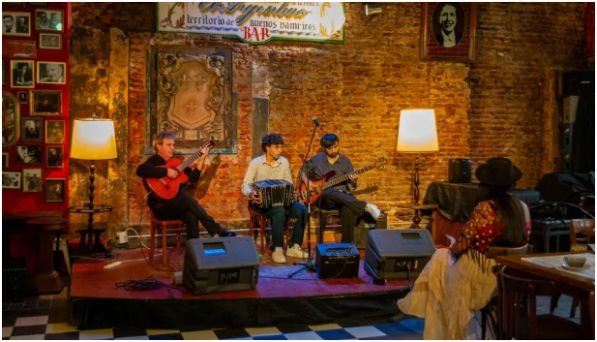
The influence of social media on modern music culture is especially complicated for independent musicians. They can reach audiences without traditional permission, but they must often handle recording, editing, posting, analytics, fan communication, and brand management alone.
Online Discovery Can Strengthen Local Music Communities
Digital platforms do not automatically erase geography. They can help regional artists promote local shows, document venues, organize collaborations, and introduce neighborhood sounds to wider audiences.
This connection between online visibility and physical community matters when examining how independent music scenes shape local culture. A viral clip may attract attention, but rehearsal spaces, small venues, promoters, record stores, and committed local fans sustain a scene after the trend passes.
Online reach works best when it directs attention back toward real artists, events, and communities.
Constant Content Production Creates Burnout
Musicians increasingly face pressure to behave like full-time content creators. Posting songs is rarely enough. Artists may feel expected to share personal updates, trend-based videos, comedic clips, promotional stories, and daily behind-the-scenes material.
A 2025 qualitative study of working musicians described both sides of this system. Participants reported opportunities for networking, career development, inspiration, and self-expression. They also described social comparison, trolling, algorithmic uncertainty, and pressure to share continuously. Researchers warned that social media activity can begin replacing valued offline work.
The healthiest approach is selective rather than constant. Artists need a repeatable content format, clear privacy boundaries, and at least one direct audience channel they control.
Skip the Hype: Music Still Needs More Than an Algorithm
The influence of social media on modern music culture is neither entirely democratic nor entirely destructive. It has opened doors for artists who might never receive traditional industry support. It has also created new dependencies on platforms, metrics, and relentless visibility.
My strongest takeaway is simple: attention is not the same as connection. A song becomes culturally durable when listeners move beyond a clip and form a relationship with the artist, album, scene, or idea behind it.
Enjoy the viral moment, but do not stop at the sound. Find the artist, play the full track, explore the catalog, and support the communities that made the music possible. The algorithm may introduce the song. Human curiosity must take it further.
Frequently Asked Questions
1. How has social media changed modern music culture?
Social media has changed discovery, promotion, songwriting, fandom, and artist-audience relationships by making music visual, interactive, and algorithmically distributed.
2. What is the biggest influence of social media on music?
The biggest influence is the shift from industry-controlled discovery toward algorithmic recommendations and user-generated promotion.
3. Does TikTok change how musicians write songs?
TikTok can encourage faster hooks, memorable snippets, shorter structures, and lyrics that work well with visual storytelling.
4. Is social media good or bad for independent musicians?
It provides affordable reach and direct fan access, but it also creates unstable visibility, content pressure, and greater promotional workloads.