






What if the soundtrack of America—from church choirs and blues clubs to stadium rock, hip-hop, and electronic dance floors—could be traced back to one powerful cultural story? Black music history in America reveals how generations of Black artists turned struggle, faith, migration, protest, and creativity into the sounds that shaped the nation.
When I follow this journey from spirituals and field hollers to jazz, soul, funk, rock and roll, house, techno, and hip-hop, I see more than musical evolution. I see the story of America itself—told through rhythm, resistance, innovation, and voices that refused to be silenced.
Where Did Black American Music Begin?
Enslaved Africans brought traditions emphasizing complex rhythm, improvisation, call-and-response singing, and communal performance. In much of the South, authorities restricted or outlawed drumming and dancing among enslaved people. Black communities preserved rhythm through clapping, foot stomping, body percussion, voices, and handmade instruments.
Field hollers and work songs helped people coordinate labor and endure brutal conditions. Spirituals blended African structures with Christian stories of suffering, deliverance, and freedom. Some songs became associated with coded escape guidance, although historians debate how often they served as literal Underground Railroad instructions.
Black influence also entered country and folk music early. The American banjo descended from West African lutes, while blue notes and musical exchanges helped shape Southern roots music.
These connections remain visible at bluegrass music festivals in North Carolina, where banjo traditions, string-band performance, old-time music, and communal picking continue to shape regional culture.
Later record companies marketed country toward white listeners and blues as “race music,” hiding how closely the traditions had developed together.
How Did Blues and Ragtime Reshape American Music?
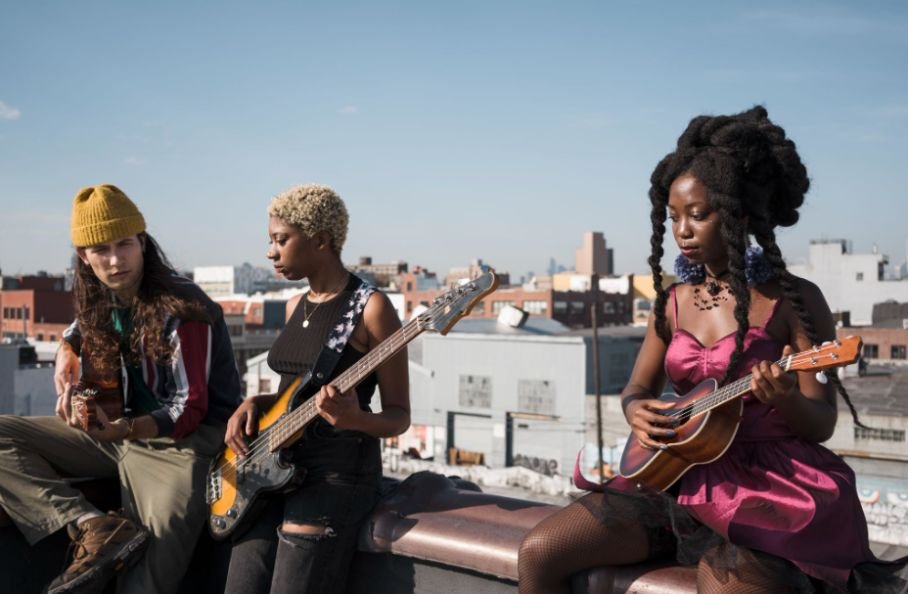
After Reconstruction, blues developed across the South, with the Mississippi Delta becoming one of its most influential centers. Singers used bent pitches, or blue notes, repeated lines, and flexible structures to express hardship, love, migration, labor, and resilience. Ma Rainey, Bessie Smith, Robert Johnson, and Muddy Waters moved blues into recordings and electric urban styles.
Ragtime grew in Midwestern cities as a syncopated piano form. Scott Joplin turned it into one of America’s first major instrumental crazes and placed Black composition at the center of popular culture. Blues and ragtime later supplied essential ingredients for jazz, R&B, country, pop, and rock.
Why Did New Orleans Become the Home of Early Jazz?
Jazz did not emerge from one performance, but Congo Square provided a crucial cultural foundation. In New Orleans, African and Caribbean rhythms met blues, ragtime, Creole traditions, brass bands, church music, parades, and European instruments. Black musicians transformed those ingredients through improvisation and syncopation.
The Great Migration carried Southern sounds into major US cities. Louis Armstrong expanded the jazz solo, while the Harlem Renaissance established jazz as popular entertainment and a sophisticated Black art form.
Gospel evolved alongside blues and jazz. Thomas A. Dorsey, widely called the father of gospel music, brought blues feeling into sacred composition in Chicago. Mahalia Jackson carried gospel to national audiences, while Sister Rosetta Tharpe’s voice and electric guitar helped build a bridge to rock and roll.
How Did R&B, Rock and Roll, and Motown Reach Mainstream America?

During the 1940s and 1950s, rhythm and blues added electric guitars, horns, heavy beats, and danceable arrangements to older blues traditions. Sister Rosetta Tharpe, Chuck Berry, Little Richard, Fats Domino, and Bo Diddley became foundational rock-and-roll pioneers.
The industry often gave white performers greater promotion, radio access, and profit for songs first written or performed by Black artists. That pattern remains essential to Black music history in America because influence did not always bring ownership, credit, or financial reward.
Berry Gordy founded Motown Records in Detroit in 1959, building a successful Black-owned company that transformed American pop. Its artists crossed segregated markets while retaining gospel call-and-response, jazz sophistication, and R&B rhythm.
How Did Soul and Funk Soundtrack the Civil Rights Era?
Soul joined gospel passion with secular storytelling. Aretha Franklin, Sam Cooke, Otis Redding, Nina Simone, and Marvin Gaye turned personal emotion into music that expressed dignity, hope, protest, and demands for justice. Their work became inseparable from the Civil Rights era.
James Brown pushed rhythm forward through bass, drums, repeated grooves, and emphasis on “the one.” His music helped establish funk, while his Black pride messages challenged expectations about Black identity in mainstream America. Funk later powered disco, hip-hop, R&B, and electronic music.
Where Did Hip-Hop, House, and Techno Begin?
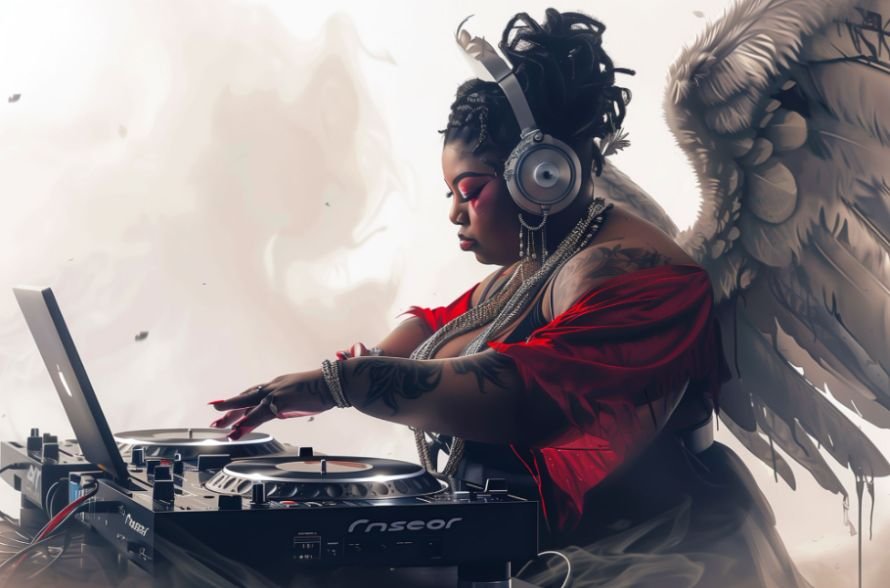
Hip-hop emerged at 1970s Bronx block parties shaped by African American, Afro-Caribbean, and Latino communities. DJ Kool Herc drew from Jamaican sound-system culture and extended funk breaks. Grandmaster Flash advanced DJ technique, while MCs turned rhythmic boasting, storytelling, and competitive street poetry into rap.
Hip-hop grew through DJing, MCing, breakdancing, graffiti, sampling, and fashion. It became a global cultural force and a platform for discussing racism, policing, inequality, ambition, celebration, and identity.
Black club culture drove electronic music. House developed in Chicago through disco, drum machines, synthesizers, and DJ experimentation. Black innovators in Detroit created techno by blending funk, electronics, futurism, and the city’s industrial atmosphere. Both genres now influence dance floors worldwide, although their Black roots remain underrecognized.
Frequently Asked Questions
1. What Was the Earliest Form of Black Music in the United States?
Spirituals, work songs, field hollers, ring shouts, and other African-derived folk and religious practices were among the earliest documented forms.
2. Which American Music Genres Have Major Black Roots?
Blues, jazz, gospel, R&B, rock and roll, soul, funk, disco, hip-hop, house, and techno have foundational Black contributions, while country and pop also reflect deep Black influence.
3. Did Spirituals Contain Coded Underground Railroad Messages?
Some spirituals have been interpreted as coded songs, but historians debate how widespread their use as literal escape instructions was.
4. How Did Black Music Influence American Culture?
It transformed American language, dance, worship, fashion, politics, recording technology, entertainment, and ideas about identity and freedom.
Why Does This Musical History Still Matter?
Black music history in America matters because it shows how cultural innovation can define a nation even when creators do not receive equal recognition.
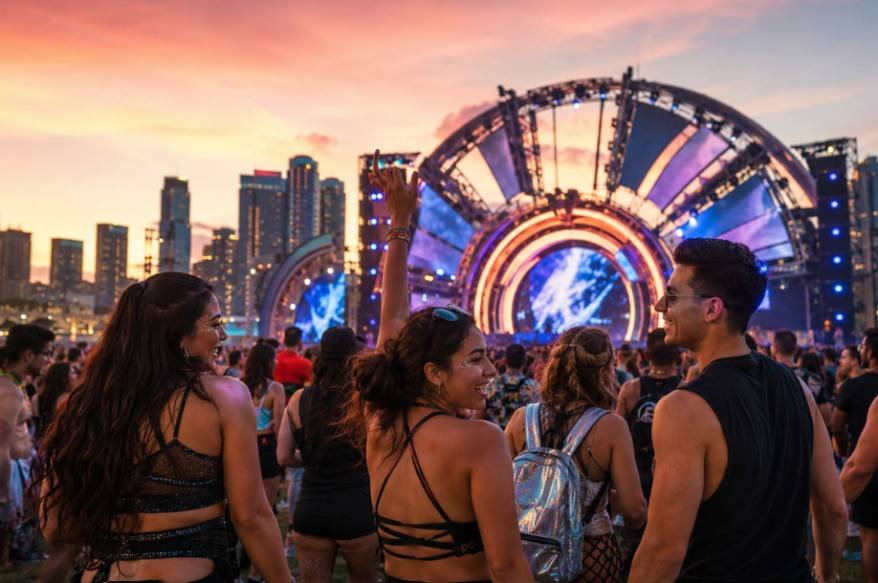
Today, listeners can experience many of these traditions and their modern descendants at underrated music festivals on the East Coast, where blues, jazz, soul, hip-hop, roots music, and electronic sounds often meet new audiences.
Black artists exchanged ideas with Native, European, Caribbean, and Latino communities, yet their rhythms, vocal traditions, instruments, performances, and technology remain foundational to American sound.
When I follow this journey from spirituals to streaming, I see music working as memory, worship, business, resistance, celebration, and invention. Understanding this history gives us a more honest account of American culture.