



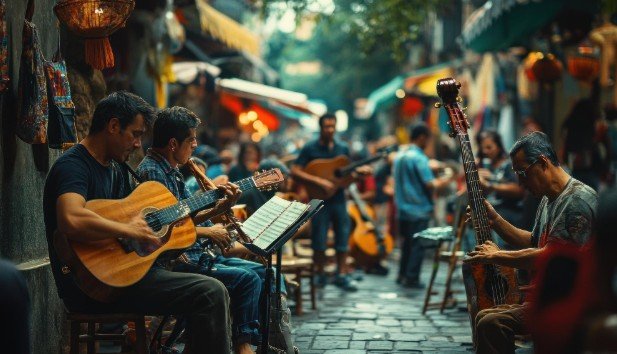

I have always believed that memorable music does more than fill a room. It captures a place’s personality, reflects people’s lives, and creates lasting connections. A venue, record shop, rehearsal room, festival, or radio show can become the center of a creative community.
Understanding the cultural importance of local music scenes means recognizing how artists, audiences, venues, media, and businesses build something no algorithm or major label can manufacture.
What Makes a Local Music Scene?
A local music scene is a network of musicians, listeners, promoters, venues, producers, journalists, record stores, and community groups connected by a place or creative identity. It may develop around a neighborhood, club, university, festival, genre literature, or independent collective.
Regular participation defines a scene: artists perform, audiences respond, and supporters keep the network active.
Local Music Preserves Identity
Music carries stories that may never appear in textbooks or mainstream media. Local performers preserve regional expressions, migration experiences, spiritual traditions, political struggles, and neighborhood memories. Their songs document change while keeping older cultural knowledge visible.
Rhythms, lyrics, instruments, dance styles, and performance customs become part of a place’s identity. Even with outside influences, the music remains shaped by local relationships and experiences.
Music Builds Belonging
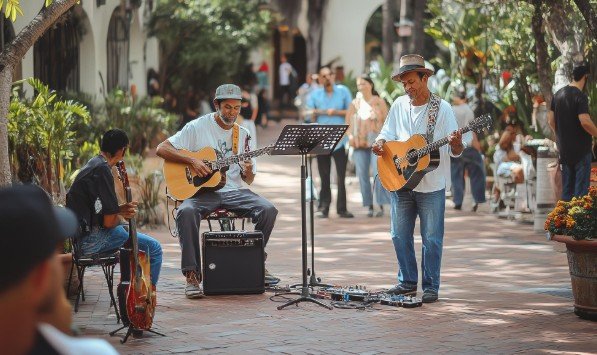
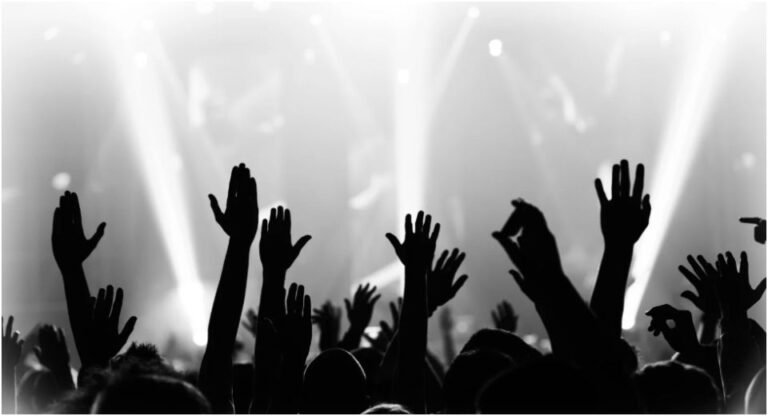
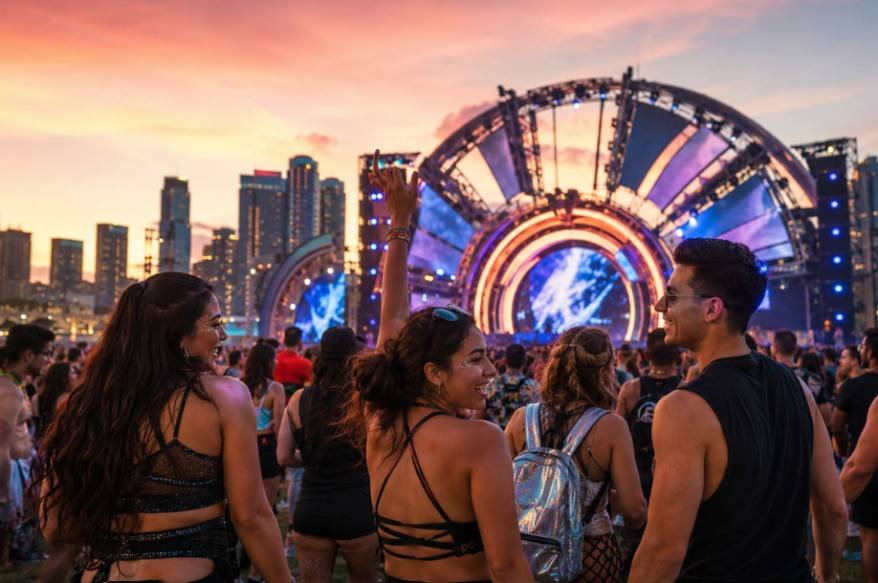
Local performances bring together people who might otherwise never meet. Sharing a song or cultural reference can turn strangers into a temporary community. Repeated gatherings create friendships, collaborations, and belonging.
This is especially valuable for young people, newcomers, and those excluded from dominant culture. A welcoming scene offers space to experiment, find peers, and contribute. Audiences are not passive consumers; their attendance and recommendations shape what develops.
Independent Venues Protect Creativity
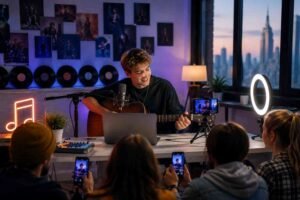
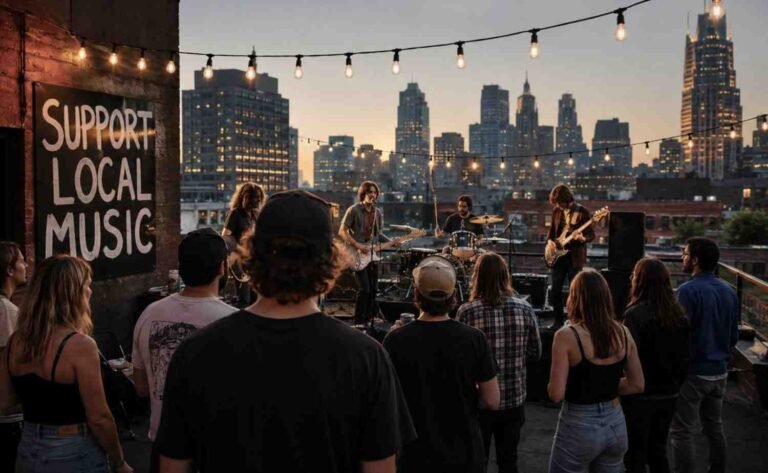
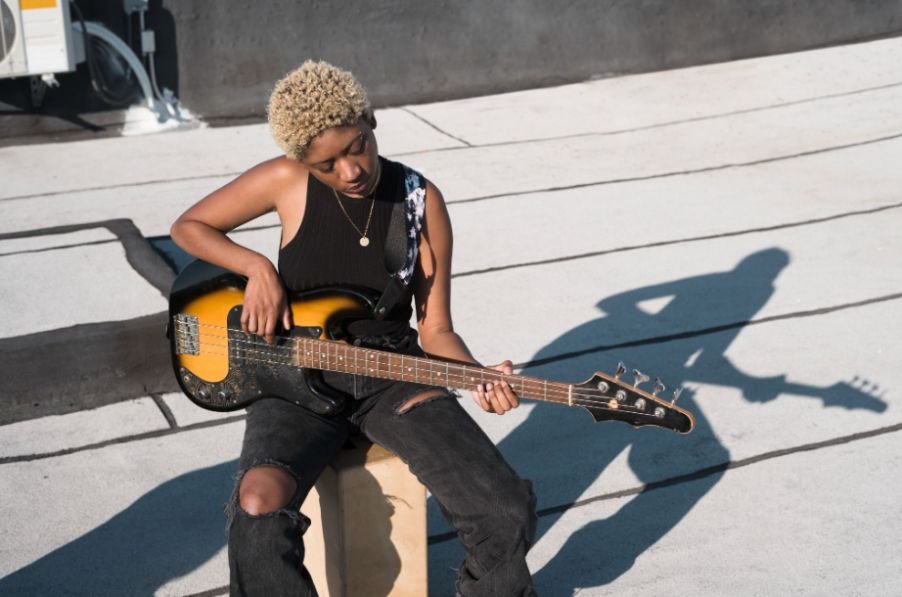
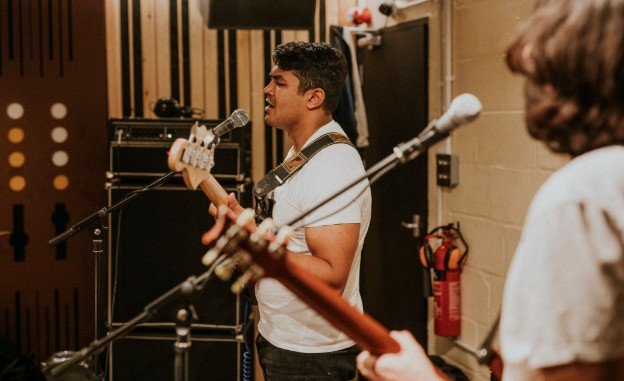
Small venues allow emerging performers to test material, learn stagecraft, and build loyal audiences. Independent spaces often permit creative risks that larger commercial stages avoid.
They may also host poetry, dance, workshops, open-mic nights, fundraisers, and cultural celebrations. When one closes, the community loses more than a concert room. It can lose a gathering place, training ground, and part of its cultural memory.
Collaboration Creates New Sounds
Musical movements often grow through local collaboration. Artists attend one another’s shows, exchange techniques, share equipment, work with the same producers, and respond to similar conditions.
Innovation may begin with a different rhythm, affordable technology, an unusual genre combination, or a venue willing to book experimental acts. Over time, these choices can form a recognizable sound that travels beyond its original community.
Underrepresented Artists Gain a Voice
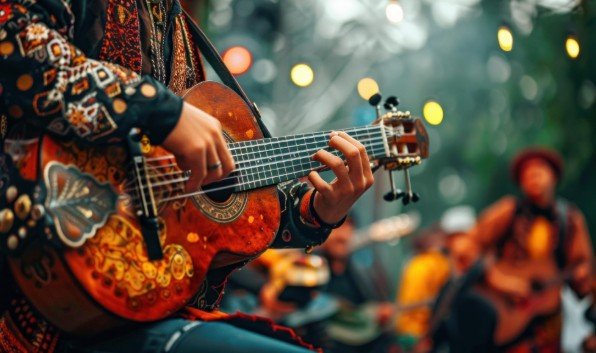
Mainstream entertainment often favors familiar performers, predictable formats, and large promotional budgets. Local scenes create alternative routes for musicians who do not fit those expectations.
Independent stages can amplify artists from immigrant communities, minority-language groups, working-class backgrounds, and other overlooked communities. Their music expands cultural conversation and introduces experiences rarely represented in mass-market entertainment.
Local Economies Grow Around Music
A healthy scene supports more than performers. Concerts create work for sound engineers, photographers, designers, security teams, promoters, venue employees, and independent media.
When artists can rehearse, record, perform, and promote locally, they are more likely to remain active and reinvest their skills in the community.
Digital Reach Cannot Replace Real Places
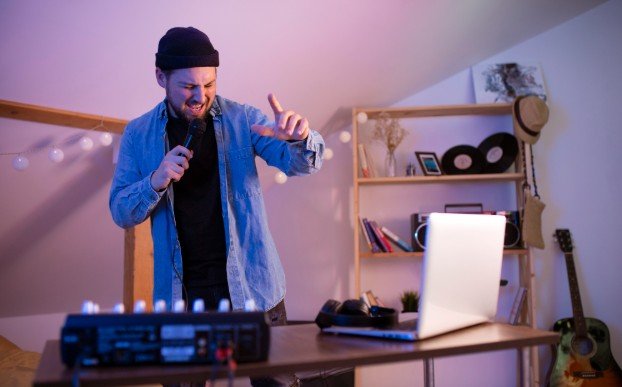
Streaming platforms, social media, online radio, playlists, and fan groups influence how music communities form by helping independent artists reach listeners outside their area.
However, online visibility cannot replace places where musicians collaborate, perform, and form relationships. Strong modern scenes combine both worlds: physical gatherings create culture, while digital tools document and distribute it.
What Threatens Local Music Communities?
Rising rents, venue closures, noise disputes, limited rehearsal space, weak local media, and artist displacement can damage a scene. Commercialization may also replace distinctive independent spaces with standardized entertainment.
Fewer venues mean fewer performances and opportunities for new musicians. Protecting affordable creative spaces and considering culture in local planning are essential for continuity.
How to Support Local Music
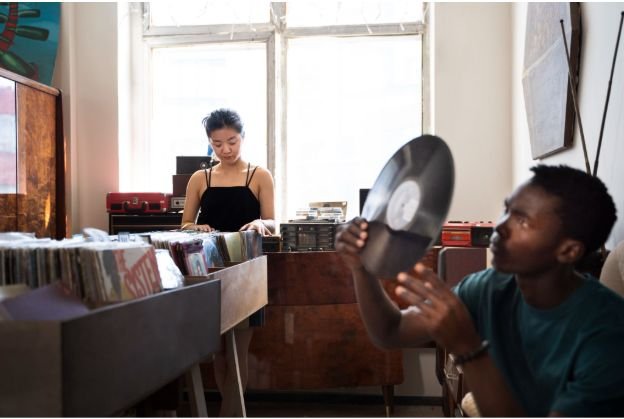
Attend smaller shows, follow independent musicians, share releases, buy tickets or merchandise, and recommend artists. Supporting record shops, radio programs, festivals, publications, and grassroots music venues greatly strengthens the wider ecosystem.
Consistency matters more than one grand gesture. Regular attendance shows that creative spaces are valued. Schools, libraries, businesses, and cultural groups can also provide stages, workshops, and rehearsal opportunities.
Frequently Asked Questions
1. Why Is the Cultural Importance of Local Music Scenes Worth Discussing?
Local scenes preserve memory, build relationships, develop talent, encourage innovation, and create space for voices mainstream entertainment may overlook.
2. What Counts as a Local Music Scene?
It is a connected community of artists, audiences, venues, organizers, media, and businesses regularly creating or supporting music within a shared place.
3. How Do Local Scenes Influence Popular Music?
They give musicians room to collaborate and experiment. Sounds developed through those relationships can later influence broader genres and performers.
4. Can Online Communities Replace Physical Music Scenes?
Digital communities improve discovery, but they cannot fully replace live venues, face-to-face collaboration, local customs, or gathering around music.
The Final Note
I see local music as more than entertainment. It records how people celebrate, struggle, communicate, and imagine possibilities together. Every small performance strengthens a wider network of creativity and belonging.
When I support an independent artist, festival, or grassroots venue, I am helping a community protect its voice, develop future talent, and carry its cultural story forward.